
A Guide to Ancillary Fire Alarm Integration for Commercial Facilities
Operating a commercial building or industrial facility in the Durham Region comes with a lengthy checklist of responsibilities. Among the most critical is ensuring the life safety systems protecting your property, employees, and tenants are fully operational and up to code. While basic fire alarms—horns, strobes, and pull stations—are easily understood, modern commercial fire safety goes much deeper.
Today, ensuring a facility is safe requires complex commercial building fire alarm ancillary integration. This means your fire alarm system must communicate seamlessly with other building systems, such as your heating, ventilation, and air conditioning (HVAC) units, elevators, and secure entry doors.
When a fire event occurs, these interconnected systems must react instantly to prevent the spread of smoke, evacuate occupants safely, and allow first responders unimpeded access. However, strict adherence to the Ontario Electrical Safety Code and maintaining Electrical Safety Authority (ESA) guidelines requires continuous training, careful administration, and a highly structured approach to maintenance. For many facility managers, managing these regulatory requirements while minimizing operational downtime is a significant challenge.
In this guide, we will explore how these ancillary systems work, the rigorous testing procedures required to keep them compliant, and how partnering with the right professionals can streamline your facility's safety protocols without disrupting your day-to-day operations.
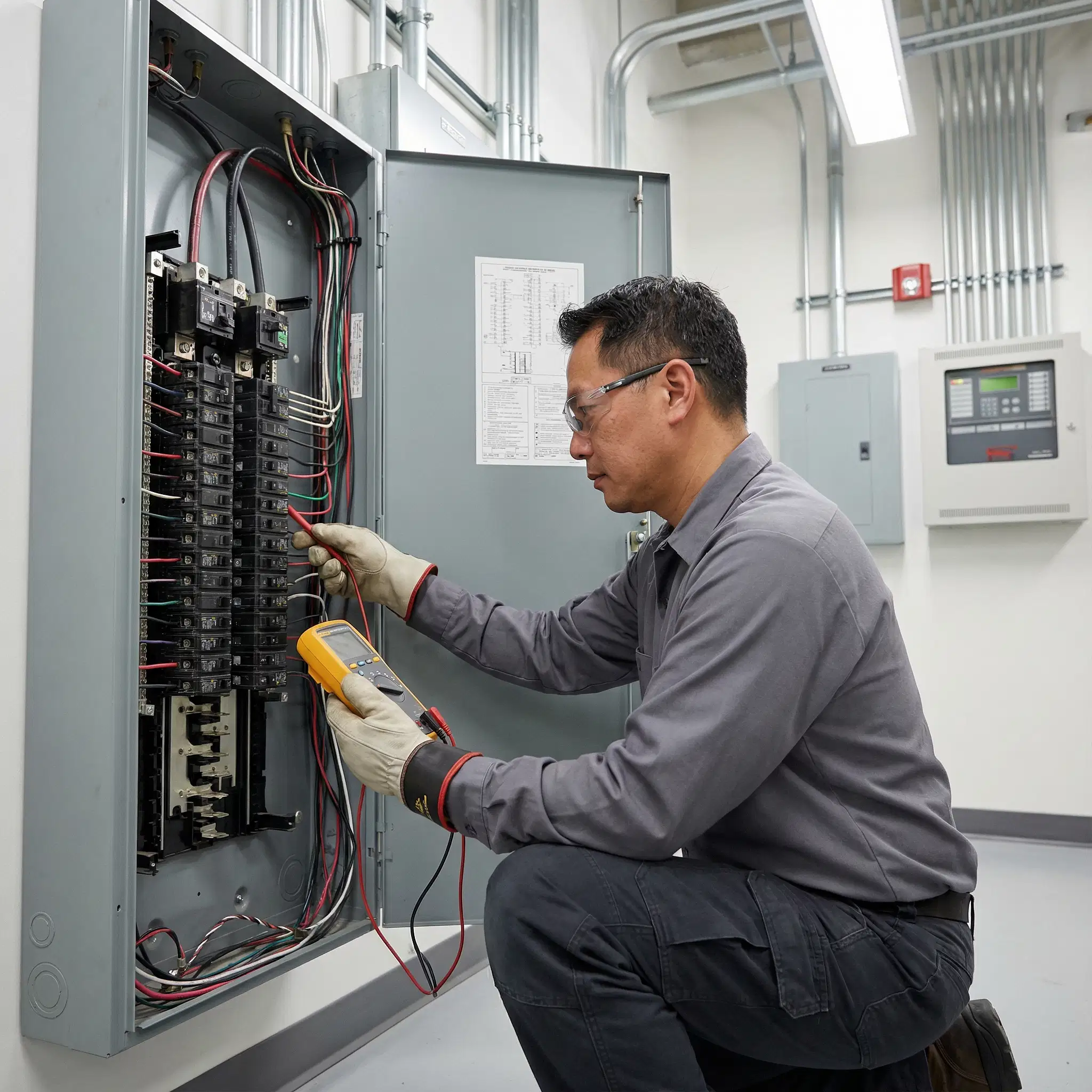
Understanding Ancillary Systems: Beyond the Siren
When a fire alarm control panel detects an emergency, triggering the sirens and flashing strobes is only the first step. To truly protect a large-scale commercial space, the panel must also initiate a series of automated responses across the building's infrastructure.
HVAC System Shutdown
In a fire, the last thing you want is for your building's ventilation system to feed oxygen to the flames or circulate toxic smoke into safe evacuation routes. This is where fire alarm HVAC shutdown testing requirements become essential. Specialized relays connect the fire alarm panel directly to the HVAC motor control centers. When an alarm is triggered, the system automatically shuts down large air handling units and activates smoke exhaust fans if present. Regular testing of this integration ensures that the moment a smoke detector activates, the building's climate control system immediately prioritizes life safety over comfort.
Elevator Recall Operations
Elevators pose a unique danger during a fire. If a fire affects the electrical systems or the elevator shaft itself, occupants could become trapped. Furthermore, first responders need priority control of the elevators to move equipment quickly. Proper elevator recall fire alarm testing procedures verify that when a smoke detector in an elevator lobby, machine room, or hoistway is activated, the elevator cars immediately bypass all other calls and return directly to the designated primary floor (or an alternate floor if the primary floor is compromised). Once there, the doors open and remain open, allowing occupants to exit and firefighters to take manual control.
Automated Door Release
Many modern commercial facilities utilize magnetic locks or electronic access control systems for security. In an emergency, these locked doors can become fatal obstacles. Automated emergency door release fire safety compliance mandates that the fire alarm system must drop power to these locks instantly upon activation. This ensures that all designated egress routes are completely unimpeded, allowing personnel to evacuate quickly and safely.
Navigating the Testing and Compliance Landscape
Maintaining these complex, interconnected systems is not a set-it-and-forget-it endeavor. The Ontario Electrical Safety Code (OESC) and local municipal fire codes dictate strict schedules for testing and maintenance.
One of the most common questions facility managers ask is how to handle these comprehensive inspections without bringing their operations to a grinding halt. The key is working with an experienced electrical contractor who utilizes a phased, strategic approach to testing.
At MB Electrical Group, we understand that shutting down your factory or commercial warehouse for an entire day simply isn't an option. That is why our fire alarm inspection process for commercial properties is designed around efficiency and minimal disruption. Our proven five-step process includes:
- Pre-inspection Planning and Coordination: We start with system mapping and establish clear notification protocols. We conduct in-house briefings with your management team so everyone knows exactly when and how the testing will occur.
- Functional Testing: Our technicians methodically test the control panel, initiating devices (like smoke detectors and pull stations), and supervisory signals to ensure baseline functionality.
- Notification Appliance Testing: We schedule necessary "blasts" or utilize zone isolation techniques to test sirens and strobes strategically, preventing prolonged auditory disruption for your workforce.
- Ancillary System Verification: We rigorously test the HVAC shutdown relays, elevator recall functions, and emergency door releases to guarantee they perform flawlessly during an alarm state.
- Documentation and Compliance Reporting: Once the physical work is complete, we provide the thorough, code-compliant documentation required by your insurance providers and local fire authorities.
This structured approach ensures that whether we are evaluating a retail space or upgrading Warehouse Safety and Protection systems, the work is completed thoroughly and efficiently.
Partnering with the Right Electrical Experts
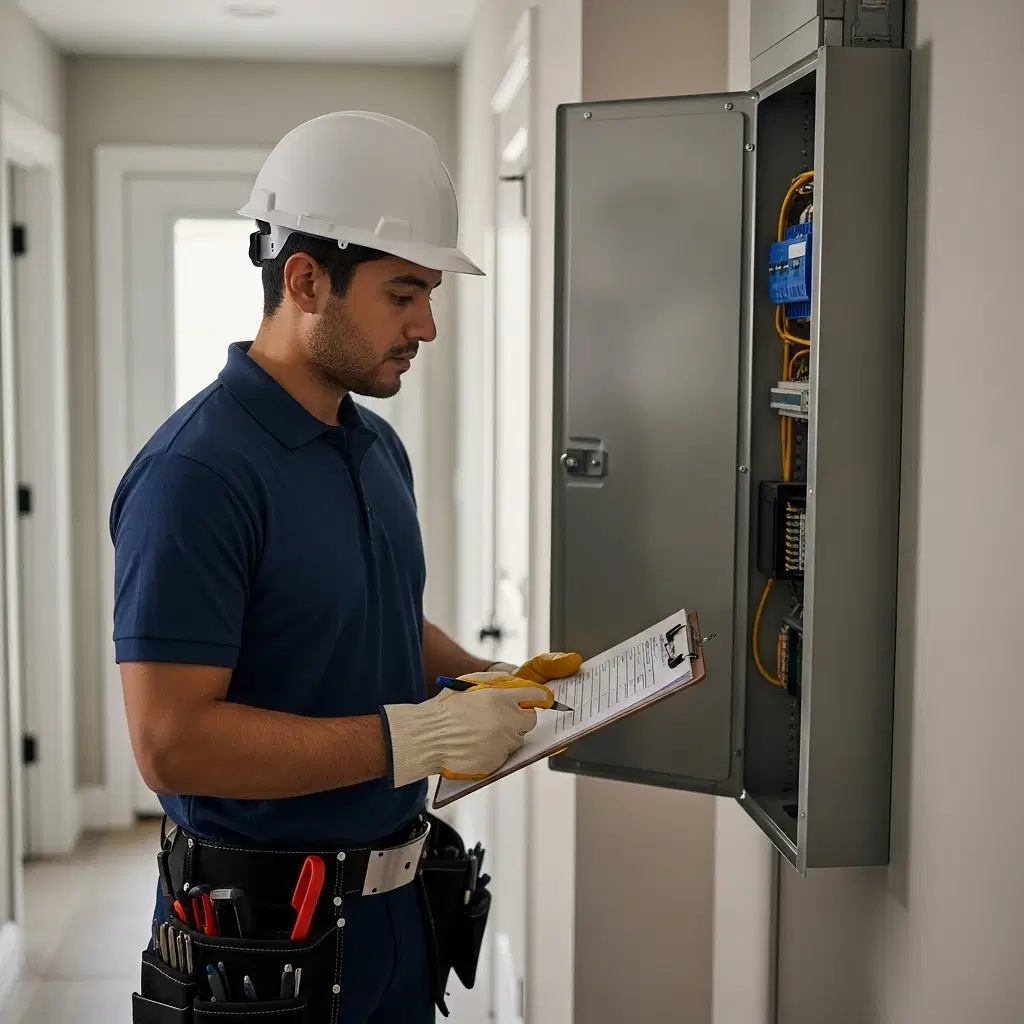
Given the complexity of ancillary integrations and the severe consequences of system failure, it is vital to entrust your building's life safety infrastructure to qualified professionals. A common concern for commercial property owners is verifying whether an electrician is properly licensed and capable of handling complex commercial jobs. Always ensure you are working with an ESA certified electrician who has specific experience with commercial fire systems and ancillary integration.
Attempting to cut corners or hiring unqualified personnel can result in delayed ESA inspection times, code violations, or worse—a system that fails when you need it most. By partnering with a dedicated team that stays ahead of the latest industry trends—such as the push for net-zero building standards and advanced smart integrations—you are investing in the long-term safety and operational continuity of your business.
Whether you are managing a large industrial complex in Downtown Oshawa or a modern office space elsewhere in the region, prioritizing your Fire Alarm and Fire Protection Services is non-negotiable. Proper integration of your HVAC, elevators, and security doors can quite literally save lives and protect your significant commercial investments.
If you are preparing for your annual inspection, experiencing issues with your current system, or upgrading your facility's safety infrastructure, we are here to help. Contact MB Electrical Group today to schedule a consultation, and let our team ensure your property is compliant, efficient, and fully protected.