Don’t Get Left in the Dark: What Flickering Lights and Tripped Breakers Are Telling You
It’s a familiar story for many homeowners in Oshawa. You’re relaxing at home, and suddenly the lights flicker. Or you’re running the microwave and the toaster at the same time, and—click—the power in the kitchen goes out. These common electrical hiccups are more than just minor annoyances; they’re signals from your home’s electrical system. While sometimes the cause is simple, flickering lights and a frequently tripped breaker can also be early warnings of more serious, underlying issues. Understanding what these signals mean is the first step toward ensuring your home is safe, reliable, and powered for your modern life.
Decoding Flickering Lights: From Simple Fix to Serious Fault
Flickering lights can be unsettling, but the cause isn't always a major problem. It's important to distinguish between an isolated flicker and a persistent issue.
Common, Less Serious Causes:
- Loose Bulb: The simplest explanation! Always check that the bulb is screwed in tightly.
- Faulty Bulb or Fixture: LED or fluorescent bulbs can flicker when they're about to fail. A faulty switch or a loose connection within the light fixture itself can also be the culprit.
- Large Appliance Startup: When a major appliance like an air conditioner or a refrigerator kicks on, it draws a large amount of current, which can cause a momentary, noticeable dimming or flickering of lights on the same circuit. This is often normal.
When to Be Concerned: If the flickering is constant, happens in multiple rooms, or occurs when you're not using any large appliances, it could point to a more significant problem. These issues require professional attention because they can pose a fire risk.
- Overloaded Circuits: Your home's circuits are designed to handle a specific electrical load. If you have too many devices plugged into one circuit—common in home offices or entertainment centres—it can cause flickering and eventually lead to a tripped breaker.
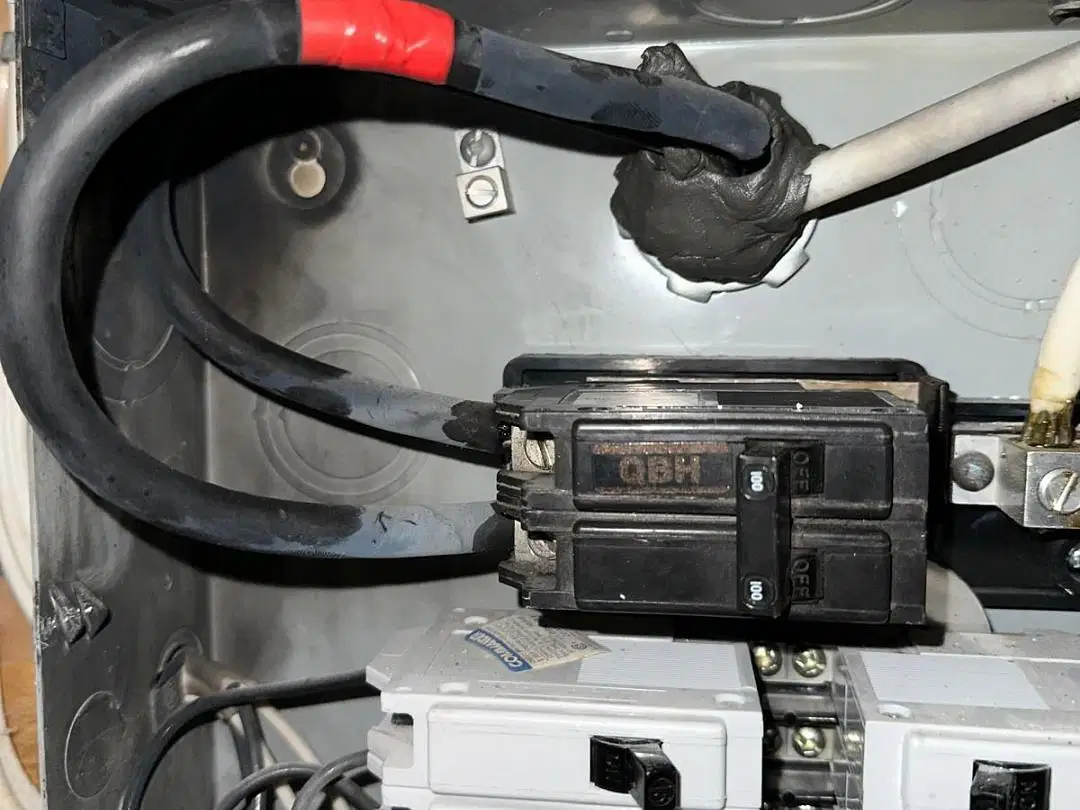
- Loose Wiring: Over time, connections in your electrical panel, outlets, or switches can become loose. This is a serious hazard that can create arcing (sparks), which generates intense heat and can easily start a fire.
- Outdated Wiring: Many older homes in the Durham Region still have aging systems like knob and tube or aluminum wiring, which may not be equipped to handle the demands of modern electronics and appliances. Persistent flickering is a classic sign that your wiring may need an inspection or upgrade.
The Tripped Breaker: Your System’s Built-In Safety Net
A circuit breaker that keeps tripping is a clear sign that something is wrong. Your electrical panel is the nerve centre of your home’s electrical system, and the breakers are its most important safety feature. They automatically cut the power when they detect a problem, preventing overheating and potential fires. Here’s what a tripped breaker is trying to tell you:
-
Overloaded Circuit: This is the most common reason for a tripped breaker. It happens when you try to draw more electricity than a circuit can safely provide. For example, running a space heater and a vacuum cleaner on the same circuit might be too much for it to handle. The solution is to unplug some devices and redistribute them to other circuits.
-
Short Circuit: A more serious issue, a short circuit occurs when a hot wire touches a neutral or ground wire. This can be caused by damaged wiring, a faulty appliance, or a problem within an outlet. A short circuit creates a sudden, high-current path, and the breaker trips instantly to prevent a fire. If your breaker trips immediately after you reset it, you likely have a short circuit and should call an electrician right away.
-
Ground Fault: This is a specific type of short circuit where a hot wire comes into contact with a ground wire or a grounded part of an appliance or junction box. It's especially dangerous in areas with moisture, like kitchens and bathrooms. Ground Fault Circuit Interrupter (GFCI) outlets are designed to detect this and shut off power instantly to prevent electric shock.
When to Call a Professional Electrician
While you can easily check for a loose lightbulb or try plugging an appliance into a different outlet, most electrical issues should be handled by a licensed and insured professional. Your family's safety is the top priority.
Call an electrician if you experience any of the following:
- Lights that flicker or dim frequently across multiple rooms.
- A breaker that trips repeatedly and won't stay reset.
- A burning smell or buzzing sound coming from an outlet, switch, or your electrical panel.
- Discoloured or warm outlets or switch plates.
- You receive a mild shock when touching an appliance.
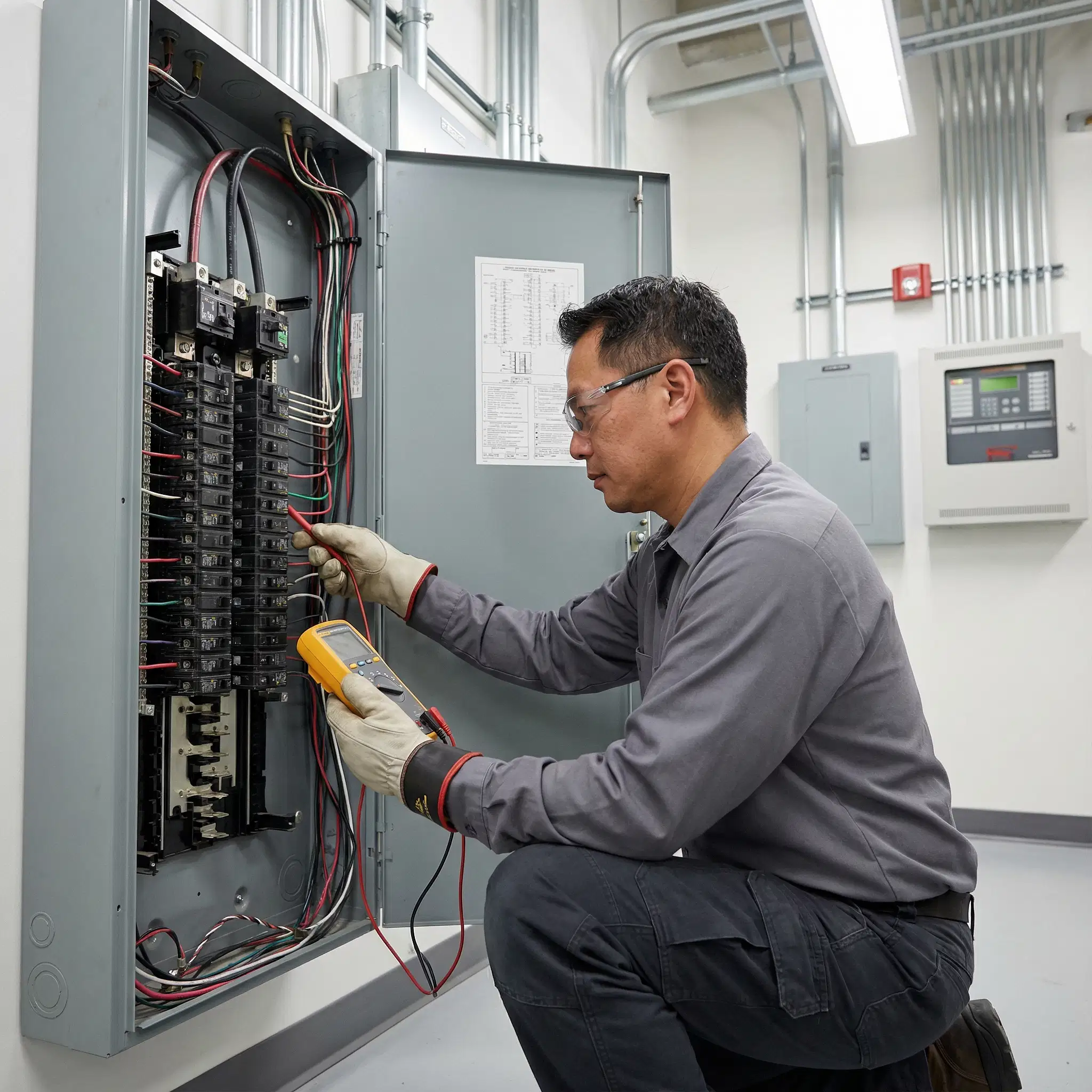
A professional electrician has the training and tools to safely diagnose the root cause of the problem. During a service call, we can perform a thorough inspection, test your circuits, and check your panel to ensure everything is up to the standards set by the Electrical Safety Authority (ESA). This not only fixes the immediate issue but also provides peace of mind that your home is safe. At MB Electrical Group, we believe in transparency, which is why we offer flat-rate pricing so you know the cost of your repair upfront, with no surprises.
Restore Your Peace of Mind with MB Electrical Group
Flickering lights and tripped breakers are your home’s way of asking for help. Ignoring these signs can compromise your safety and lead to more costly repairs down the road. By understanding the potential causes, you can take the right steps to protect your home and family.
If you're experiencing persistent electrical issues in your Oshawa home, don't wait for a small problem to become a big one. The certified electricians at MB Electrical Group are here to help. We specialize in everything from simple diagnostics to comprehensive emergency electrical repairs. Contact us today to schedule a service call and let our experts ensure your electrical system is safe, stable, and reliable.