
Is Your Home Ready for a Heat Pump? Understanding the Electrical Requirements
If you have been looking for ways to lower your winter heating bills or reduce your reliance on fossil fuels, you are likely considering a heat pump. Across the Durham Region, there is a strong shift toward full home electrification. With fluctuating energy costs and the appeal of energy-efficient technology, transitioning from a traditional natural gas furnace to an electric heat pump is a smart investment.
But before you make the switch, there is one critical factor that homeowners often overlook: the electrical panel. Heat pumps require a substantial amount of dedicated power to operate efficiently and safely. As a licensed electrical contractor, we frequently help homeowners determine if their current setup can handle this new continuous load. Let's walk through the electrical requirements for heat pump conversions so you can plan your home upgrade safely, efficiently, and without any surprise interruptions to your daily routine.
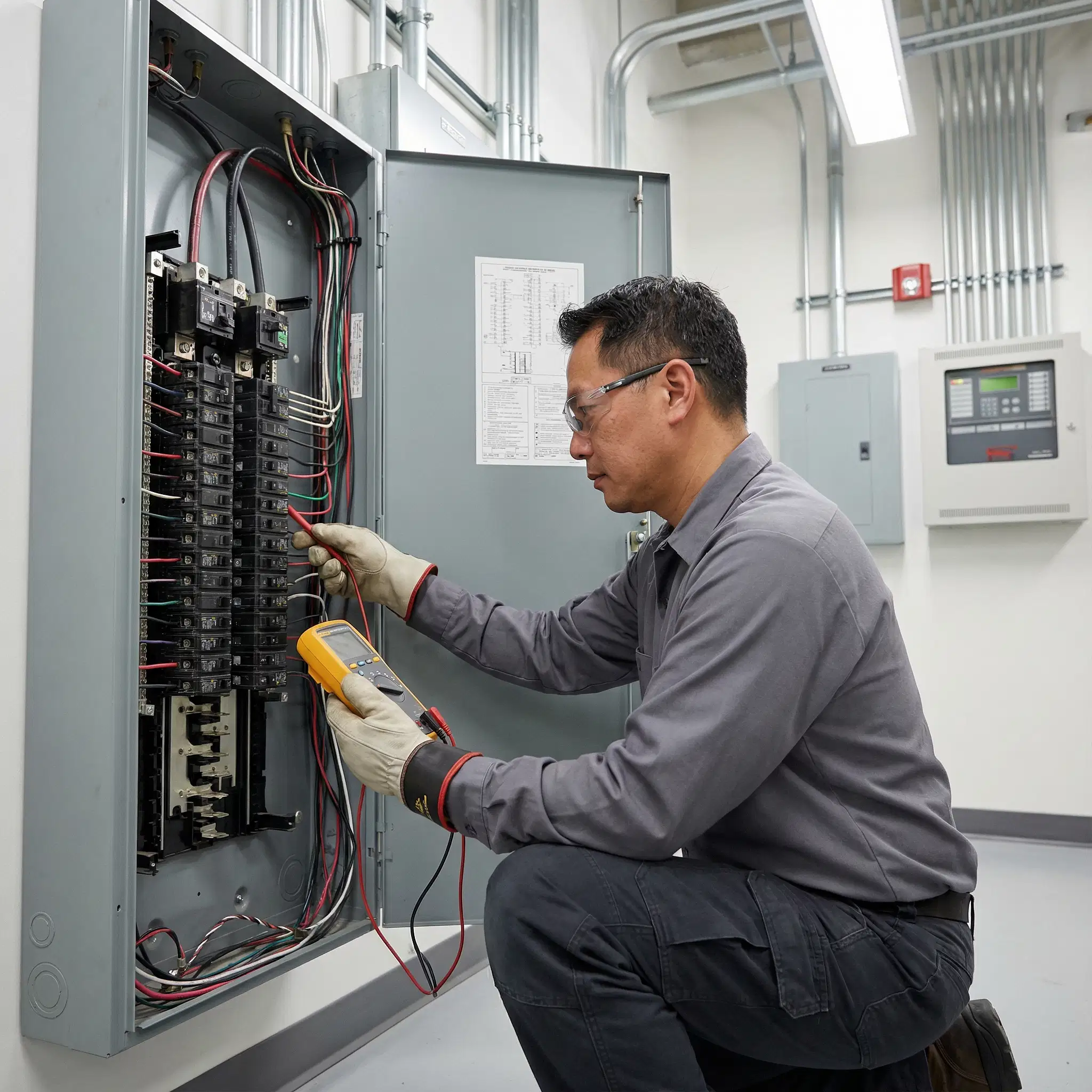
The Heart of the System: Assessing Your Electrical Panel
When converting to an electric heating and cooling system, the very first step is calculating electrical load capacity for heat pumps. Your home's electrical panel acts as the command center for all your power needs. Older homes, especially those built decades ago, often feature 100-amp service panels. While this was plenty of power when the home was originally built, modern appliances, induction stoves, and now heat pumps demand significantly more energy.
A standard residential heat pump system usually requires a dedicated 220-volt to 240-volt circuit. Depending on the size of the unit required to adequately heat and cool your square footage, it might need a breaker ranging from 30 to 50 amps. If your panel is already nearing its maximum capacity with your stove, dryer, and general lighting, simply adding a heat pump could cause your main breaker to trip continuously or, worse, pose a severe fire hazard.
This is precisely why upgrading home electrical service for heat pumps is often a necessary part of the installation process. Upgrading to a modern 200-amp panel ensures you have the necessary home electrification electrical panel capacity to run your new heating system safely alongside your daily activities. It also provides profound peace of mind knowing that your home's infrastructure is completely modernized and compliant with current safety codes.
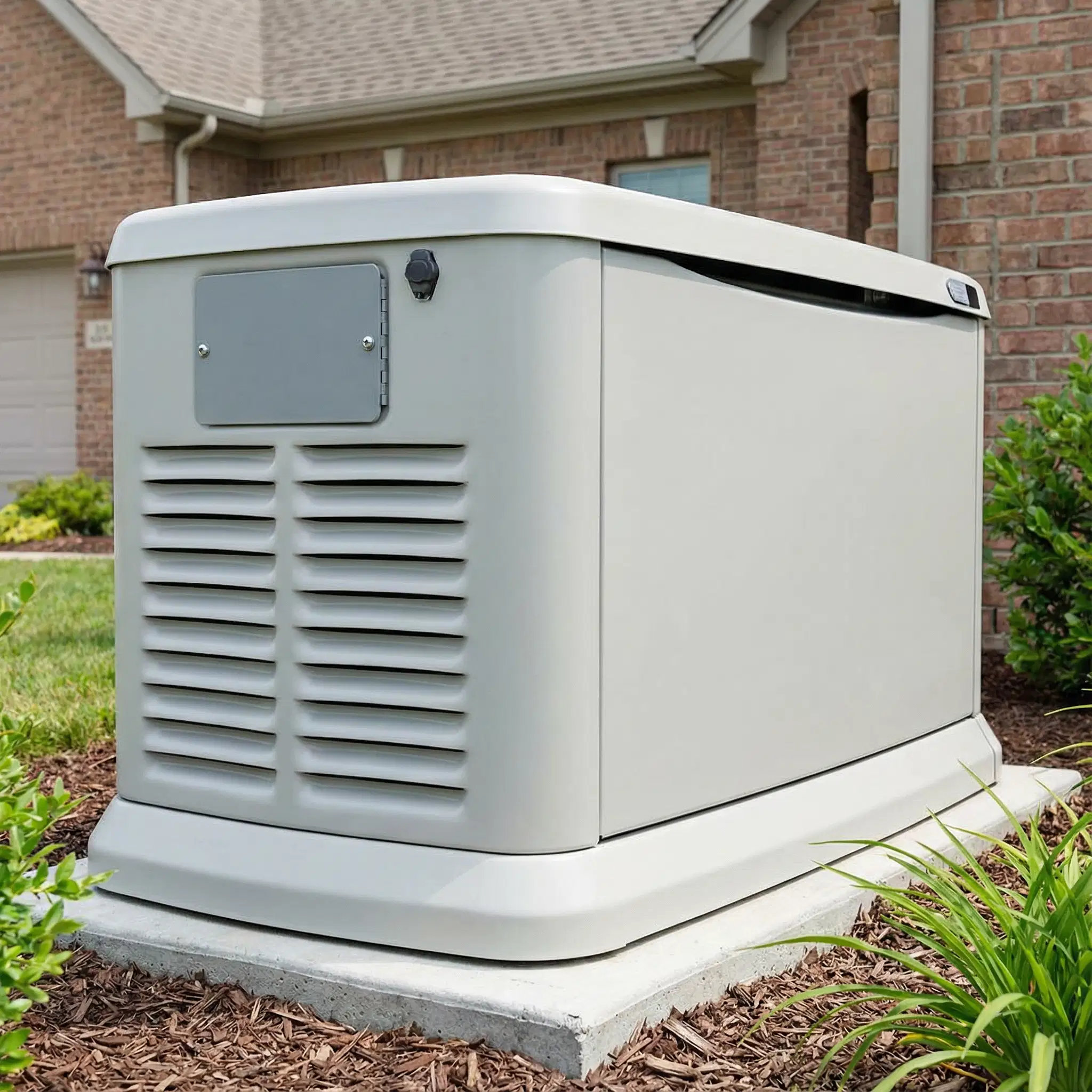
Navigating Permits, Safety, and Future Upgrades
One of the most common questions we hear is whether specialized permits are required for this type of major electrical work. In Ontario, any significant electrical modification, including panel upgrades and wiring a completely new heating system, requires an Electrical Safety Authority (ESA) permit. Hiring a licensed professional guarantees that the work is performed legally and that a thorough ESA inspection is completed promptly, protecting both your family and your property value.
If you are planning to build from the ground up, integrating these high-capacity systems early is highly recommended. Our Custom New Construction Homes service focuses on designing comprehensive electrical systems that anticipate high-demand appliances from day one. Planning ahead for home electrification during the build phase saves considerable time and money compared to retrofitting a finished house later.
Furthermore, many residents in North Oshawa and surrounding areas are looking at the bigger energy picture. Once you have upgraded your panel to accommodate a heat pump, your home is perfectly positioned for other sustainable additions. Whether you eventually want to install an EV charger in the garage or explore Solar and Off Grid Energy Solutions, a robust 200-amp electrical service is the necessary foundational step.
Managing Your Energy and Hydro Costs
As we increasingly rely on electricity to heat our homes, power our vehicles, and run our daily lives, managing overall energy consumption becomes a top priority. Navigating Time-of-Use and Ultra-Low Overnight electricity rates requires a bit of strategy. This is where modern electrical upgrades truly shine. When you upgrade your panel to support a heat pump, you also have the opportunity to install a smart electrical panel.
Unlike a traditional breaker box, a smart panel allows you to monitor exactly how much power your heat pump, and every other appliance, is drawing in real time. You can view this data directly from a smartphone app. If you notice your Hydro bill creeping up during peak winter months, a smart panel provides the exact insights you need to adjust your usage habits.
For example, you can schedule heavy electrical loads, like running your dryer or charging an electric vehicle, during off-peak hours when rates are at their lowest. This level of control not only maximizes the financial efficiency of your new heat pump but also helps you manage rising utility costs proactively. Combining a smart panel with a modern heat pump gives you the ultimate command over your home's comfort and your monthly budget.
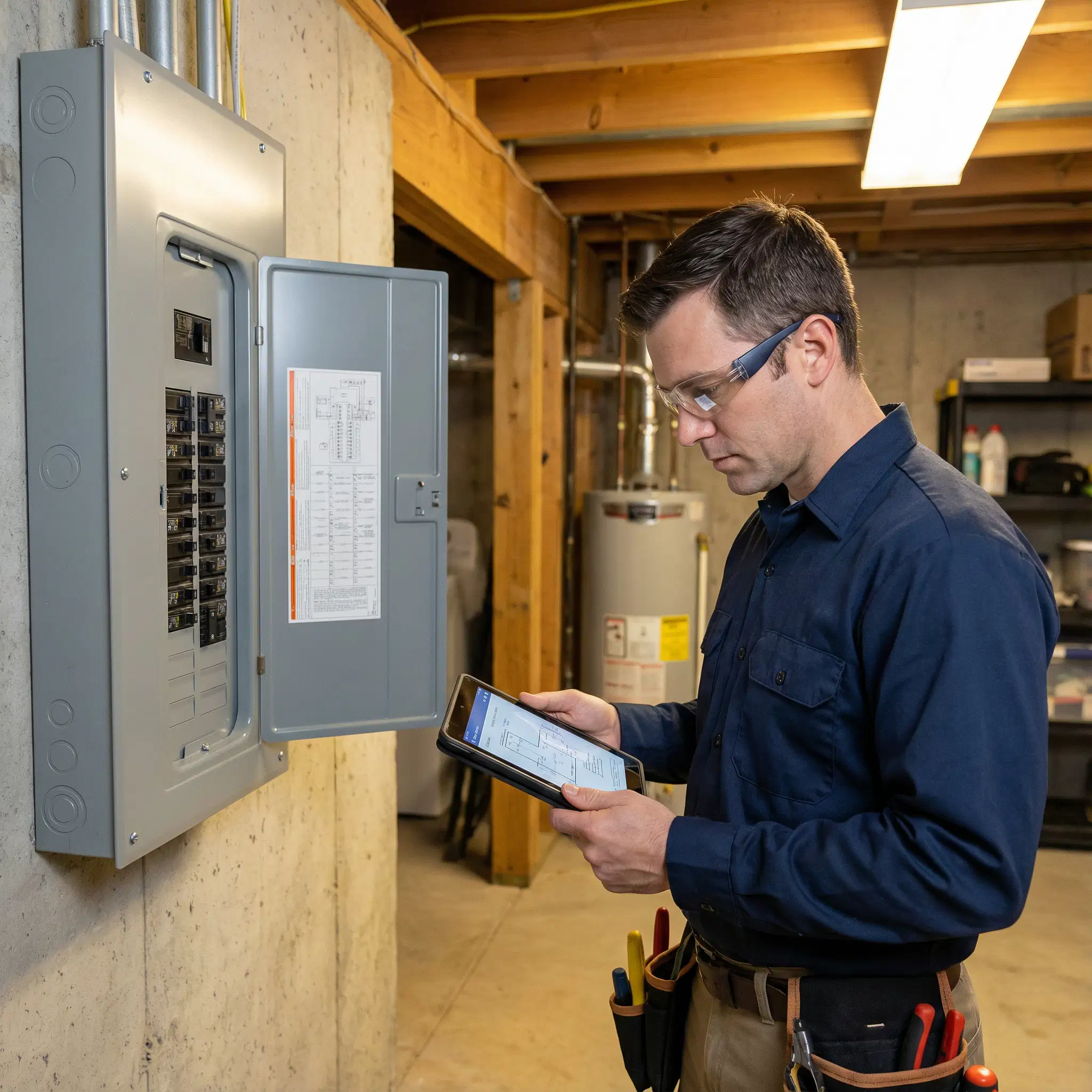
Transparent Planning for Your Electrification Journey
We know that budgeting for major home upgrades can be stressful, especially when material costs for copper and specialized components fluctuate constantly. It can be incredibly frustrating to receive a quote for an installation only to have the final bill come in much higher due to hidden fees or poor planning. That is why we believe in providing upfront, flat-rate pricing. You will know exactly what the electrical panel requirements for heat pump installation will cost before any tools are even picked up.
Switching to a heat pump is an excellent way to make your home more comfortable, eco-friendly, and energy-efficient year-round. However, ensuring your home has the right electrical foundation is paramount. You should never have to guess if your wiring can handle the load or worry about lights flickering when the thermostat kicks on.
If you are ready to make the switch and want to ensure your home is fully equipped to handle it safely, MB Electrical Group is here to help. Contact us today to schedule a comprehensive assessment of your current electrical system, and let's make your transition to a more efficient home seamless, compliant, and stress-free.