
Powering Your Warehouse: Electrical Infrastructure Requirements for Forklift Fleets
As logistics and warehousing sectors continue to expand, particularly for facilities operating near the 401 corridor and throughout the GTA, the demand for efficient material handling is at an all-time high. For many facility managers, this means transitioning to or expanding an electric forklift fleet. While the operational benefits of electric lifts are clear—lower emissions, reduced noise, and long-term cost savings—preparing your building to handle them is a complex technical challenge.
Adding multiple heavy-duty chargers to your facility isn't as simple as plugging them into existing outlets. It requires a comprehensive understanding of your building's power capacity, strict adherence to provincial safety regulations, and a strategic approach to installation that keeps your business running without interruption. If you are a facility manager or business owner looking to upgrade, understanding these electrical infrastructure requirements is the first step toward a safe and compliant warehouse.
Assessing Electric Forklift Fleet Power Requirements
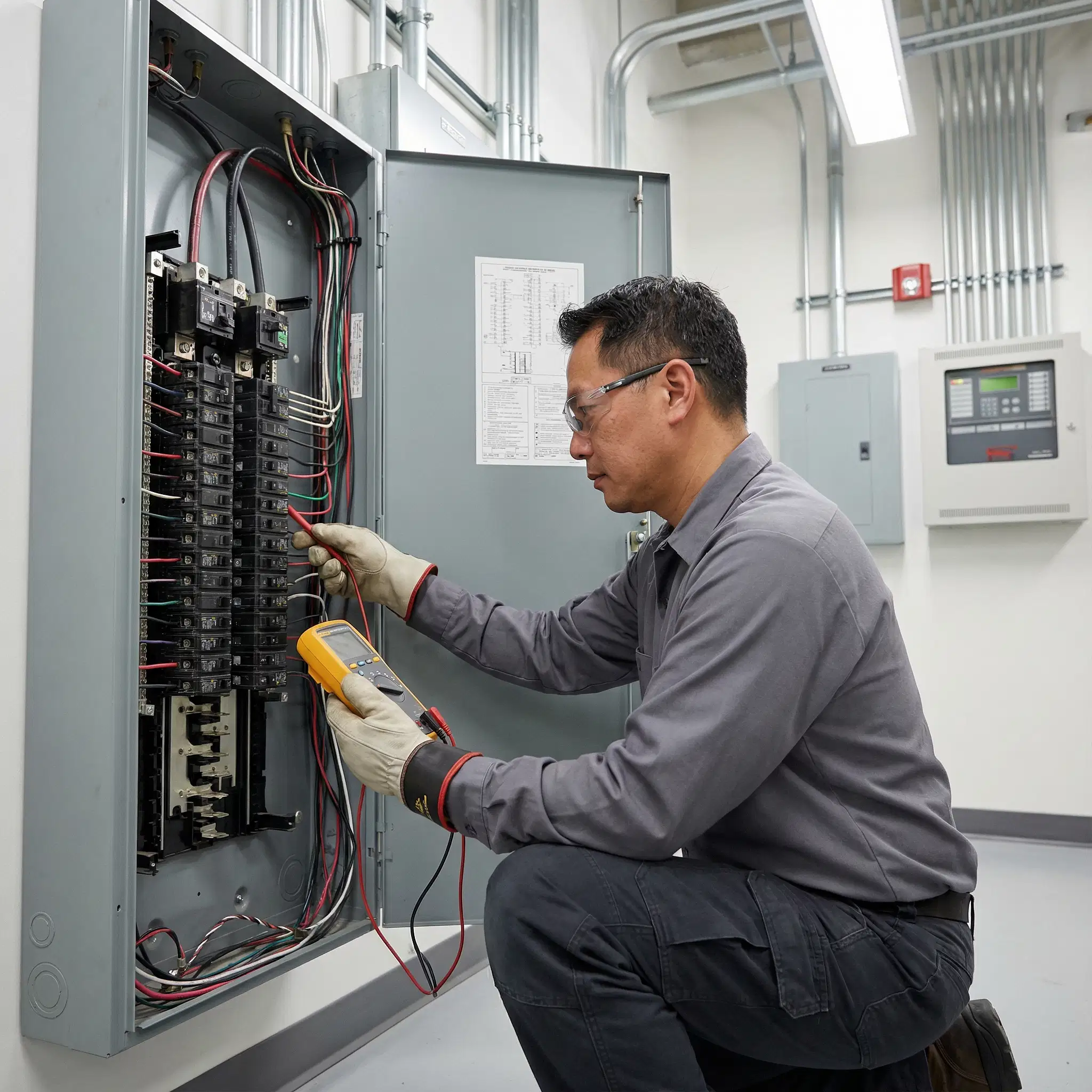
The most critical phase of implementing a new charging station is determining your electric forklift fleet power requirements. Every facility has a maximum electrical load it can safely support. When you introduce high-voltage industrial chargers into the mix, your hydro consumption and peak load demands will increase substantially.
Before any equipment is ordered, a thorough load calculation must be performed to ensure your current electrical service can handle the additional draw. In many older commercial buildings, the existing electrical panels may be running near capacity. Attempting to add heavy industrial loads without an upgrade can lead to tripped breakers, damaged equipment, or severe fire hazards. If your current service is insufficient, you may need a commercial service upgrade, which involves coordinating with your local utility provider to increase the incoming power to your facility.
Furthermore, chargers cannot simply be daisy-chained or added to general warehouse circuits. Safety codes dictate the use of dedicated electrical circuits for forklift chargers. These dedicated lines ensure that the massive power draw required during a charging cycle does not interfere with your lighting, HVAC systems, or other vital operational machinery.
Industrial Battery Charging Station Electrical Design
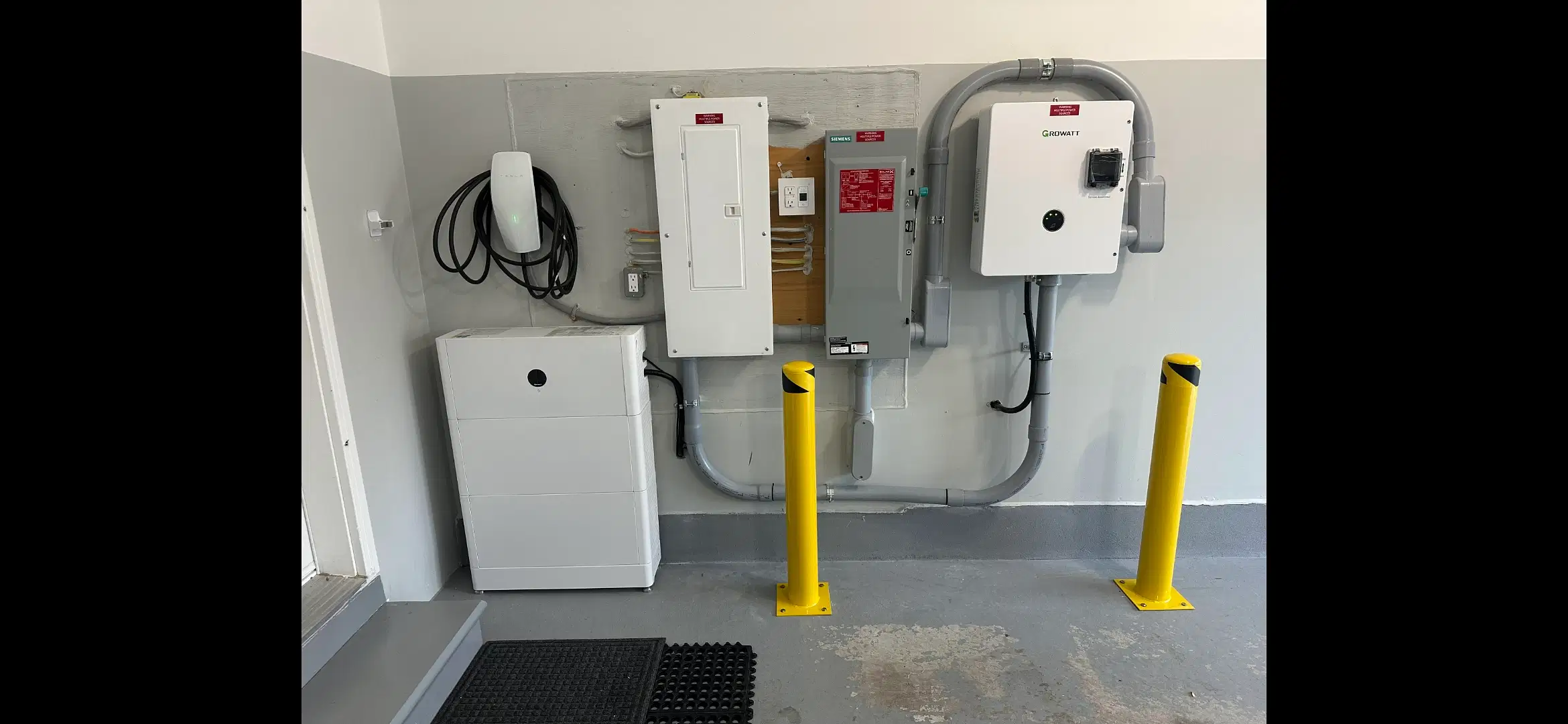
Proper industrial battery charging station electrical design goes far beyond just providing power; it encompasses safety, efficiency, and regulatory compliance. The Canadian Electrical Code (CEC) has strict guidelines for environments where large batteries are charged.
One common question business owners ask is whether they actually need a licensed professional for these upgrades, or if a general maintenance worker can handle it. The answer is absolute: commercial installations must be performed by a Licensed Electrical Contractor. This ensures all work meets Electrical Safety Authority (ESA) standards. An improperly designed charging area can pose significant risks, including the accumulation of explosive hydrogen gas during the charging process. Proper design incorporates adequate ventilation, emergency shut-off systems, and specialized disconnect switches that protect your staff and your investment.
At MB Electrical Group, we know that shutting down your warehouse for electrical work can severely impact your bottom line. That is why we apply a structured, phased approach to our Commercial Electrical Services. Similar to how we handle complex fire alarm integrations, our process includes extensive pre-inspection planning, system mapping, and coordination with your management team. This allows us to perform necessary panel upgrades, conduit routing, and functional testing while keeping any disruption to your daily operations at an absolute minimum.
Future-Proofing and Financial Considerations
A major pain point for commercial contractors and facility managers alike is the financial strain of large-scale infrastructure upgrades. Volatile material costs for components like copper wire and switchgear can make budgeting difficult. However, investing in the right infrastructure the first time prevents costly retrofits down the road.
When designing your charging stations, it is wise to plan for future expansion. Installing a slightly larger distribution panel or running oversized conduit during the initial build is far more cost-effective than tearing up concrete or pulling new wire a year later when you add two more forklifts to your fleet. Additionally, the industry is seeing a rapid adoption of smart energy management systems. By preparing your infrastructure to handle smart chargers, you can schedule charging cycles during off-peak hydro hours, significantly reducing your operational costs and easing the return on your initial investment.
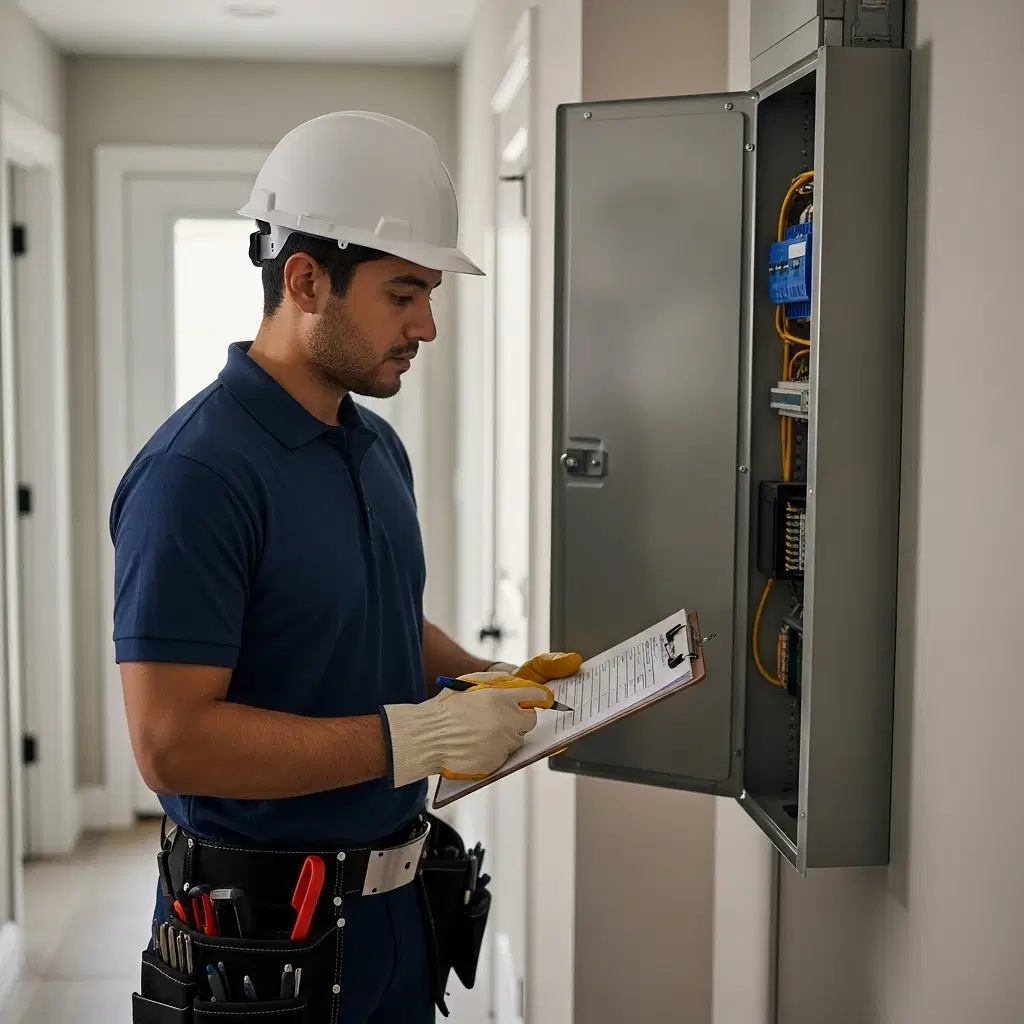
Documentation is the final, crucial step. Upon completion, ensuring you have all compliance reporting, ESA certificates, and detailed system maps will not only satisfy your insurance providers but also make future maintenance and safety inspections seamless.
Keep Your Operations Moving Safely
Transitioning to an electric fleet is a fantastic step for warehouse efficiency and sustainability, but the foundation of that success lies in your electrical infrastructure. From calculating complex load requirements and pulling permits, to executing a flawless installation that respects your operational schedule, having a certified professional by your side is non-negotiable.
If you are planning an upgrade or need to evaluate your facility's current capacity, MB Electrical Group is here to help. Based right here in Courtice, our team is equipped to handle the unique demands of local industrial facilities. Contact us today to learn more about our Forklift Charger Installation & Charger Stands services, and let's ensure your warehouse is powered safely, compliantly, and ready for the future.