Preventing Critical Industrial Electrical System Failures
For manufacturing plants, commercial facilities, and industrial warehouses in the Durham Region, a steady and reliable supply of electricity isn't just a convenience—it is the absolute lifeblood of your daily operations. When your facility experiences an unexpected power disruption, the consequences ripple out immediately. Production lines halt, inventory can be compromised, and the financial toll of downtime accumulates by the minute.
Navigating the complexities of heavy-duty electrical infrastructure requires more than just reacting to problems as they arise. It requires a proactive approach to electrical safety, routine maintenance, and an understanding of the specific demands your equipment places on your system. With rising material costs for components like copper and wiring, waiting for a catastrophic failure to replace infrastructure is a risky and expensive gamble. Instead, facility managers must prioritize preventing critical industrial electrical system failures before they threaten operational continuity.
In this guide, we will walk you through the early warning signs of electrical stress, the importance of maintaining compliance with safety codes, and how a structured preventative maintenance plan can protect your bottom line and keep your facility running smoothly.
Identifying Signs of Manufacturing Electrical Failures
Industrial electrical systems are designed to be robust, but they will almost always give warning signs before a critical failure occurs. Training your staff to recognize these early indicators of manufacturing electrical failures is the first line of defense against prolonged downtime.
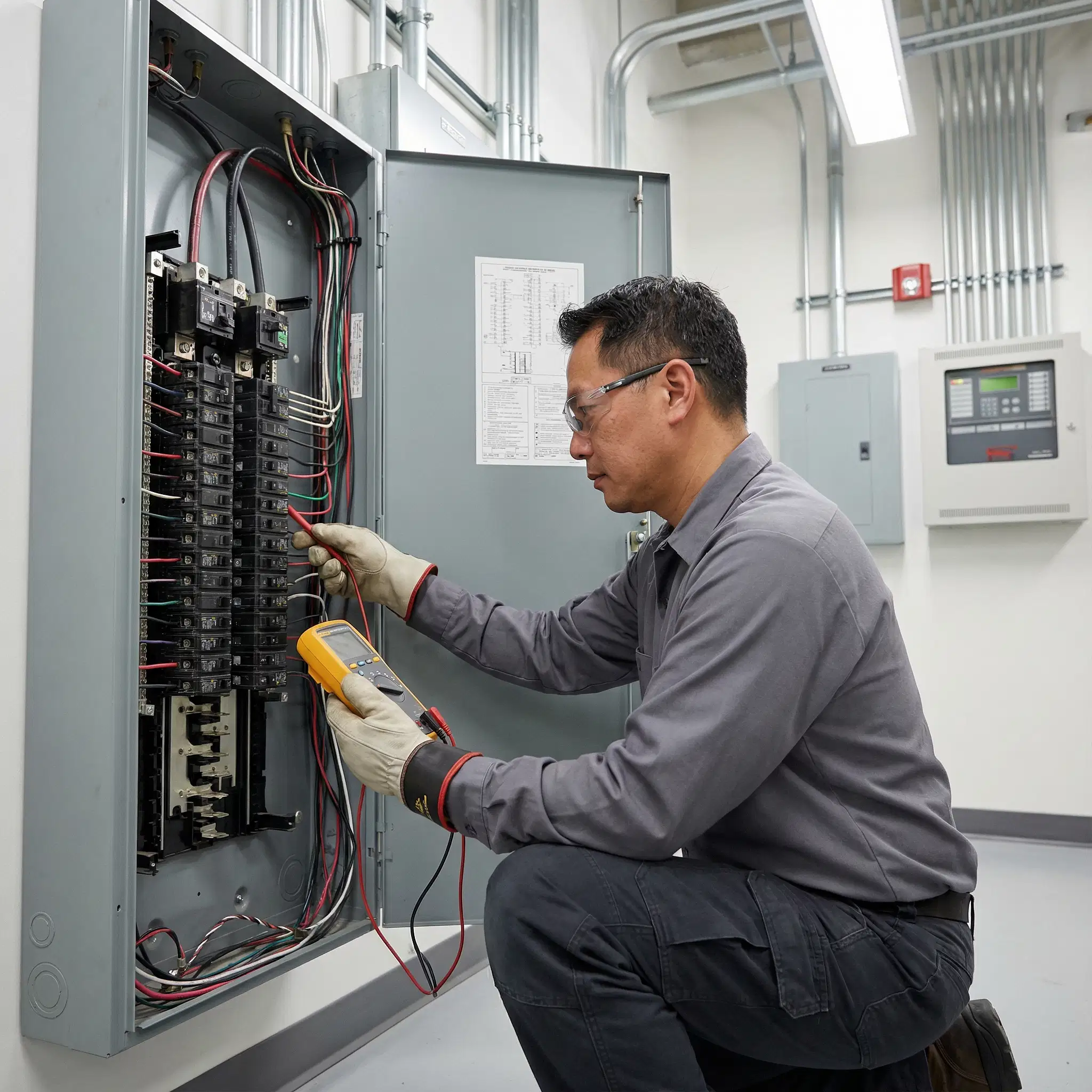
One of the most common red flags is equipment that frequently trips breakers. While a tripped breaker might seem like a minor nuisance, in an industrial setting, it often indicates that a circuit is continuously overloaded or that a specific piece of machinery is pulling more current than it should. If your team finds themselves constantly resetting the same panels, it is time for a professional assessment.
Similarly, if you notice your facility's high-bay lighting flickering or dimming when large motors, HVAC systems, or heavy machinery kick on, your system may be struggling with voltage drops. This can cause premature wear on sensitive electronic components and variable frequency drives. You might also notice unusual sounds, such as a persistent buzzing or humming coming from transformers and switchgear, or physical signs of distress like scorch marks and a burning plastic odor near electrical enclosures.
If you observe any of these symptoms, it is crucial to bring in a Licensed Electrical Contractor (LEC) to investigate. Attempting to diagnose high-voltage industrial systems without the proper training and ECRA/ESA certifications is incredibly dangerous. Investing in professional commercial electrical services allows you to diagnose these underlying issues before they result in a complete shutdown.
Commercial Electrical Safety and Overload Prevention
Maintaining a safe industrial environment goes hand in hand with maintaining your electrical infrastructure. Strict adherence to the Ontario Electrical Safety Code is not just about avoiding fines; it is about ensuring the physical safety of your workforce and protecting your property from electrical fires.
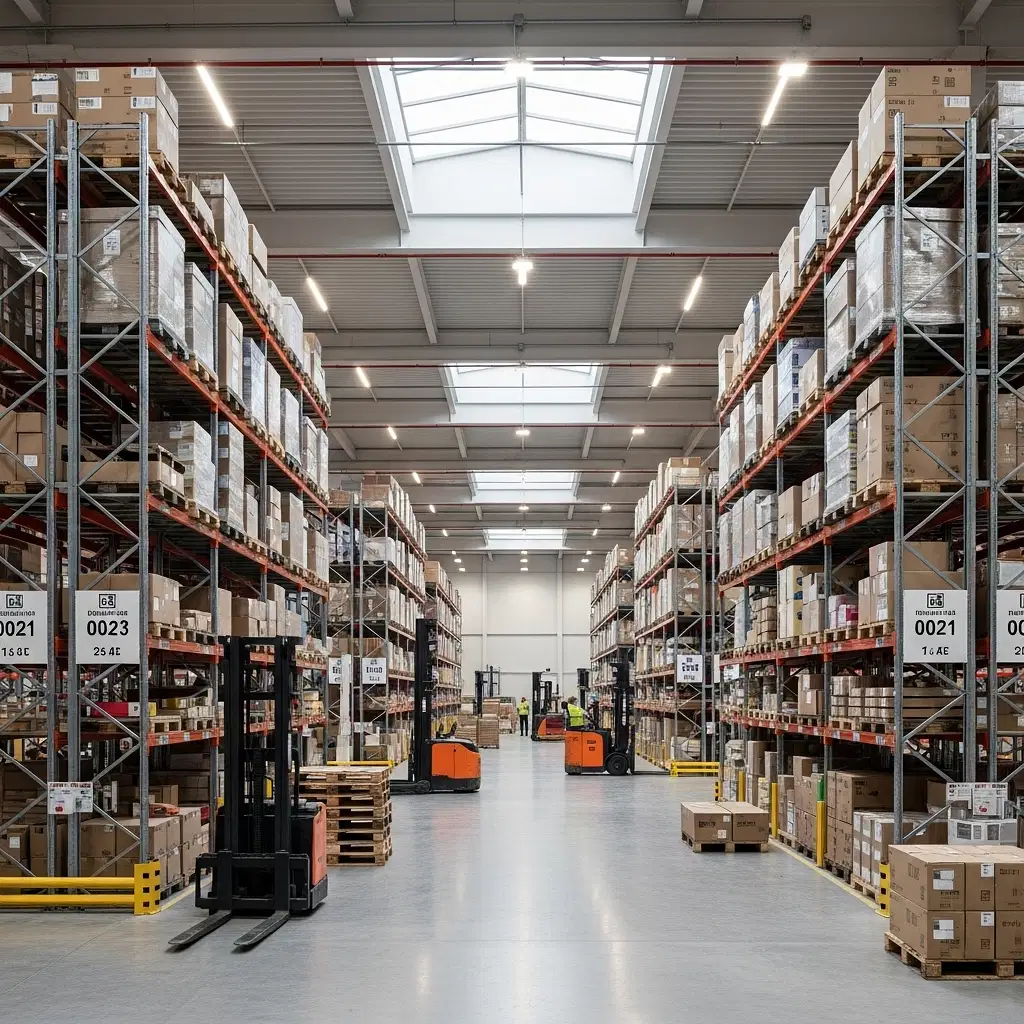
With the rapid advancement in industrial technology, many older facilities in Downtown Oshawa and the surrounding commercial hubs are operating on legacy electrical systems that were never designed to handle today's automated machinery, advanced climate control systems, or high-capacity electric forklift fleets. As you upgrade your operational equipment, your electrical panels and distribution systems must scale accordingly.
Furthermore, life safety systems are deeply integrated into your electrical infrastructure. For example, a robust fire alarm system is critical for commercial property protection. At MB Electrical Group, our fire alarm inspection process for commercial properties is meticulous and designed to minimize disruption to your workflow. It includes:
- Pre-inspection planning and coordination with system mapping, notification protocols, and in-house briefings.
- Functional testing of the control panel, initiating devices, and supervisory signals.
- Notification appliance testing with scheduled blasts or zone isolation to avoid interrupting your staff.
- Ancillary system integration verification, ensuring HVAC shutdown, elevator recall, and door release functions operate flawlessly during an emergency.
- Comprehensive documentation and compliance reporting to satisfy your insurance providers and local fire authorities.
By integrating regular safety audits and system upgrades into your operational budget, you enhance your warehouse safety and protection while keeping your hydro costs manageable through more efficient power distribution.
Emergency Industrial Electrical Troubleshooting Protocols
Even with the best preventative maintenance programs in place, unforeseen circumstances can still cause power failures. When a critical system goes offline, having established emergency industrial electrical troubleshooting protocols can mean the difference between a minor hiccup and a major financial loss.
Every commercial facility should have a clear, documented emergency response plan. Your staff should know exactly where the main electrical shutoffs are located and how to safely power down machinery in the event of an electrical anomaly. However, troubleshooting the actual fault must be left to licensed professionals.
One of the biggest operational logistics challenges facility managers face is finding a reliable contractor who can dispatch quickly during an emergency. Building a relationship with a local, trusted electrical contractor before disaster strikes ensures that when you need help, you aren't waiting in a queue. A reliable partner will already understand your facility's layout, electrical mapping, and specific operational needs, allowing them to isolate the fault and restore power safely and efficiently.
If your facility requires urgent assistance to get production back online, having access to rapid, professional emergency electrical repairs is a non-negotiable part of modern industrial management.
Partnering for Long-Term Reliability
Preventing critical industrial electrical system failures requires vigilance, a commitment to safety, and a proactive approach to maintenance. From identifying the early warning signs of overloaded circuits to ensuring your life safety systems are fully compliant and operational, staying ahead of your electrical needs protects your personnel, your equipment, and your profitability.
Don't wait for the lights to go out or the production line to stop before you address your facility's electrical health. If you are concerned about your current electrical capacity, need to schedule a comprehensive ESA-compliant inspection, or want to discuss upgrading your infrastructure to support new equipment, our team is here to help.
Reach out to MB Electrical Group today to schedule a consultation. Whether you need ongoing commercial maintenance, fire alarm integration, or safety upgrades in the Oshawa area, we provide the expertise and reliable service your business needs to operate with complete confidence.