
Preventing Winter Electrical Panel Overloads in Your Home
Winter in the GTA brings beautiful snowfalls, cozy nights indoors, and, unfortunately, a significant strain on our home electrical systems. As the temperature drops, our reliance on heating appliances, extra indoor lighting, and seasonal decorations spikes. This sudden increase in hydro usage can push an aging or unprepared electrical system past its limits. For many homeowners, the first sign of trouble is a sudden loss of power on the coldest night of the year.
At MB Electrical Group, we see a sharp increase in service calls during the winter months from families dealing with tripped breakers and overloaded circuits. Preventing winter electrical circuit overloads isn't just about convenience; it is a critical step in protecting your property and ensuring your family's safety. In this guide, we will walk you through why these overloads happen, the warning signs to watch out for, and practical steps you can take to keep your electrical panel running safely and efficiently all season long.

Why Winter Strains Your Electrical System
During the colder months, our daily habits change drastically. We spend more time indoors, which naturally leads to increased electricity consumption. The biggest culprits for winter electrical strain are usually supplemental heating devices. A standard plug-in space heater draws a massive amount of power—often maxing out a 15-amp circuit all on its own. When you combine that with a television, a few lamps, and perhaps a holiday light display, you are easily pushing that circuit beyond its safe operating capacity.
Furthermore, many older homes were simply not designed to handle the electrical demands of modern life. If you are living in a home built several decades ago, you might be wondering how to know if your house has unsafe aluminum or knob-and-tube wiring. These outdated systems are particularly vulnerable to winter overloads, as they lack the capacity and grounding of modern copper wiring. When these older wires are forced to carry more current than they were designed for, they can overheat, presenting a significant fire hazard. Recognizing this strain early is the best way to prevent an emergency.
Recognizing the Signs of an Overloaded Electrical Panel in Winter
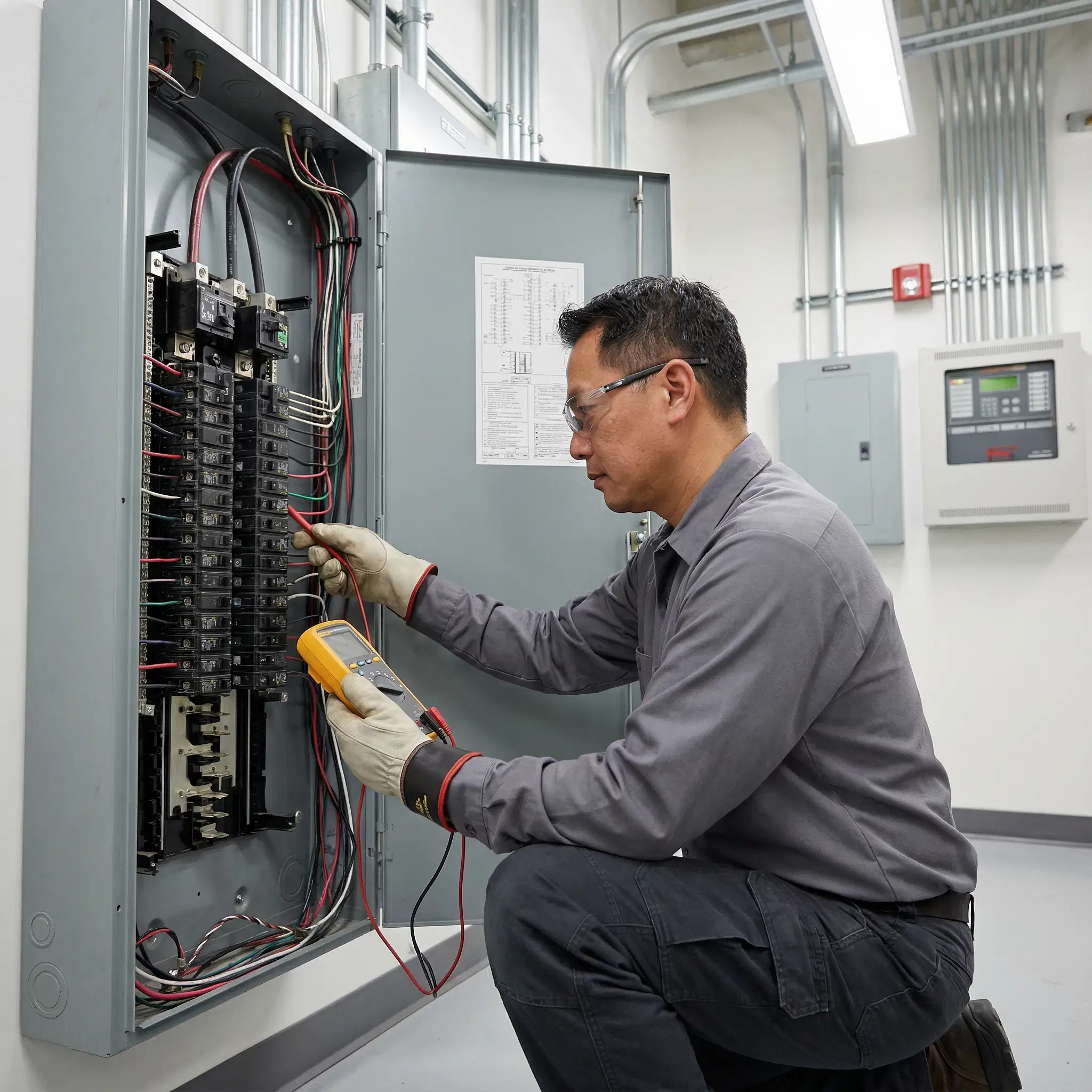
Your electrical system will usually give you warning signs before a complete failure occurs. Knowing the signs of overloaded electrical panel in winter can help you address issues proactively. The most obvious indicator is a breaker that frequently trips. While it is helpful to know how to fix a tripped breaker by simply resetting it, a breaker that trips repeatedly is doing its job by protecting your home from an overload. Constantly resetting it without addressing the root cause is dangerous.
Other common signs include lights that dim or flicker when a large appliance, like a space heater or a vacuum, is turned on. You should also pay attention to your outlets and switch plates. If they feel warm to the touch, or if you notice a slight buzzing sound or a faint burning odor near the panel, these are immediate red flags. This indicates that the electrical current is generating excess heat, which means the circuit is overloaded or there is a loose connection. If you experience any of these symptoms, it is time to have a professional evaluate your system to ensure everything is up to the current Canadian Electrical Code standards.
How to Safely Balance Your Electrical Load
One of the most effective ways to prevent an outage is learning how to balance electrical load for space heaters and other high-draw appliances. Start by mapping out your circuits. Avoid plugging multiple heat-producing appliances (like a space heater, a hair dryer, or a microwave) into the same circuit. It is also crucial to plug space heaters directly into a wall outlet rather than using extension cords or power strips, which can easily overheat and melt under a heavy load.
Many homeowners ask us: "Do I need a permit to do my own electrical work at home?" While minor cosmetic changes might seem simple, any work involving your electrical panel, adding new circuits, or altering your home's wiring absolutely requires a permit and should only be handled by a licensed professional. Attempting DIY electrical work not only risks severe injury and fire, but it can also void your home insurance.
If you find that you simply cannot balance your load without tripping breakers, it might be time for an upgrade. A common question we receive is how much it costs to upgrade a home electrical panel to 200 amps in Canada. The cost can vary based on your home's current infrastructure and local utility requirements, but it is one of the best investments you can make for your home's safety and future-proofing. To make this process stress-free, MB Electrical Group offers transparent, Flat Rate Pricing so you know exactly what the investment will be before we begin any work. No hidden fees, just honest, upfront costs.
Keep Your Home Safe and Powered This Winter
Dealing with an electrical failure when the snow is blowing off the 401 is an incredibly stressful experience. By understanding your home's electrical capacity, distributing your power usage wisely, and paying attention to warning signs, you can keep your home warm and safe all winter long. If you are noticing flickering lights, warm outlets, or breakers that just won't stay on, do not ignore the problem.
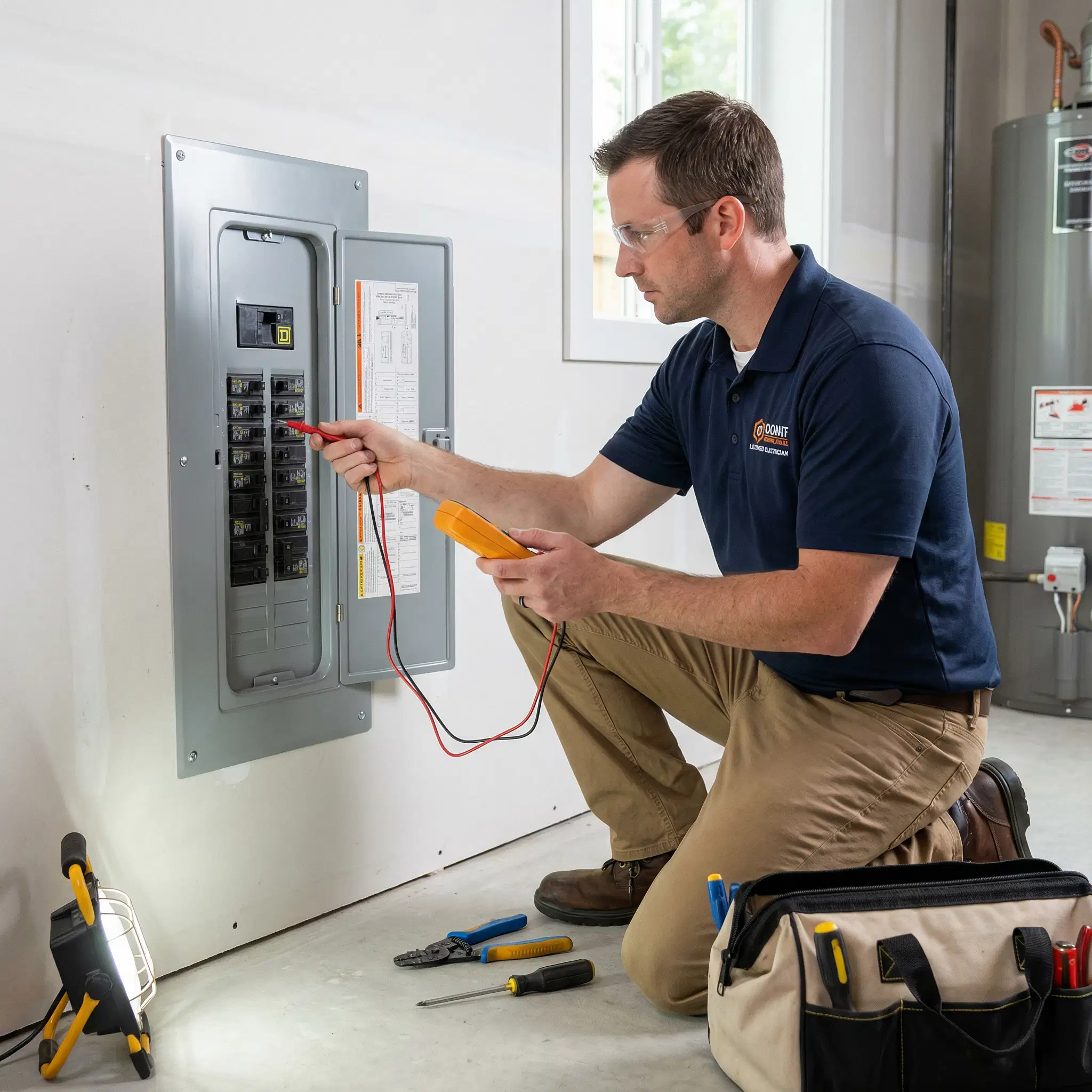
Whether you need a comprehensive panel assessment to prepare for the season or you require immediate assistance, the team at MB Electrical Group in Courtice is here to help. We are dedicated to providing the community with safe, code-compliant, and reliable service. If you find yourself in the dark, our Emergency Electrical Repairs team is ready to respond quickly and efficiently. Don't wait for a minor issue to become a major hazard. Contact us today to ensure your electrical system is fully equipped to handle whatever the Canadian winter throws your way.