Warehouse Electrical Safety and Forklift Charging: A Guide for Facility Managers
Running a smooth industrial operation means keeping downtime to an absolute minimum. For facility managers and business owners across the Durham Region, ensuring that your warehouse operates safely and efficiently is a top priority. A major part of that efficiency relies on your electrical infrastructure, particularly when it comes to powering heavy machinery, maintaining proper lighting, and ensuring a safe environment for your team.
From managing complex logistics to dealing with supply chain delays, the last thing you need is an unexpected electrical failure or a compliance violation halting your operations. Whether you are operating out of a newly built logistics center or an older facility in an established industrial park, the demands on your hydro service are immense. Understanding the hidden risks in your electrical system and knowing how to properly implement new technologies, like electric material handling equipment, is essential for long-term operational success.
The Foundation of Warehouse Safety and Protection
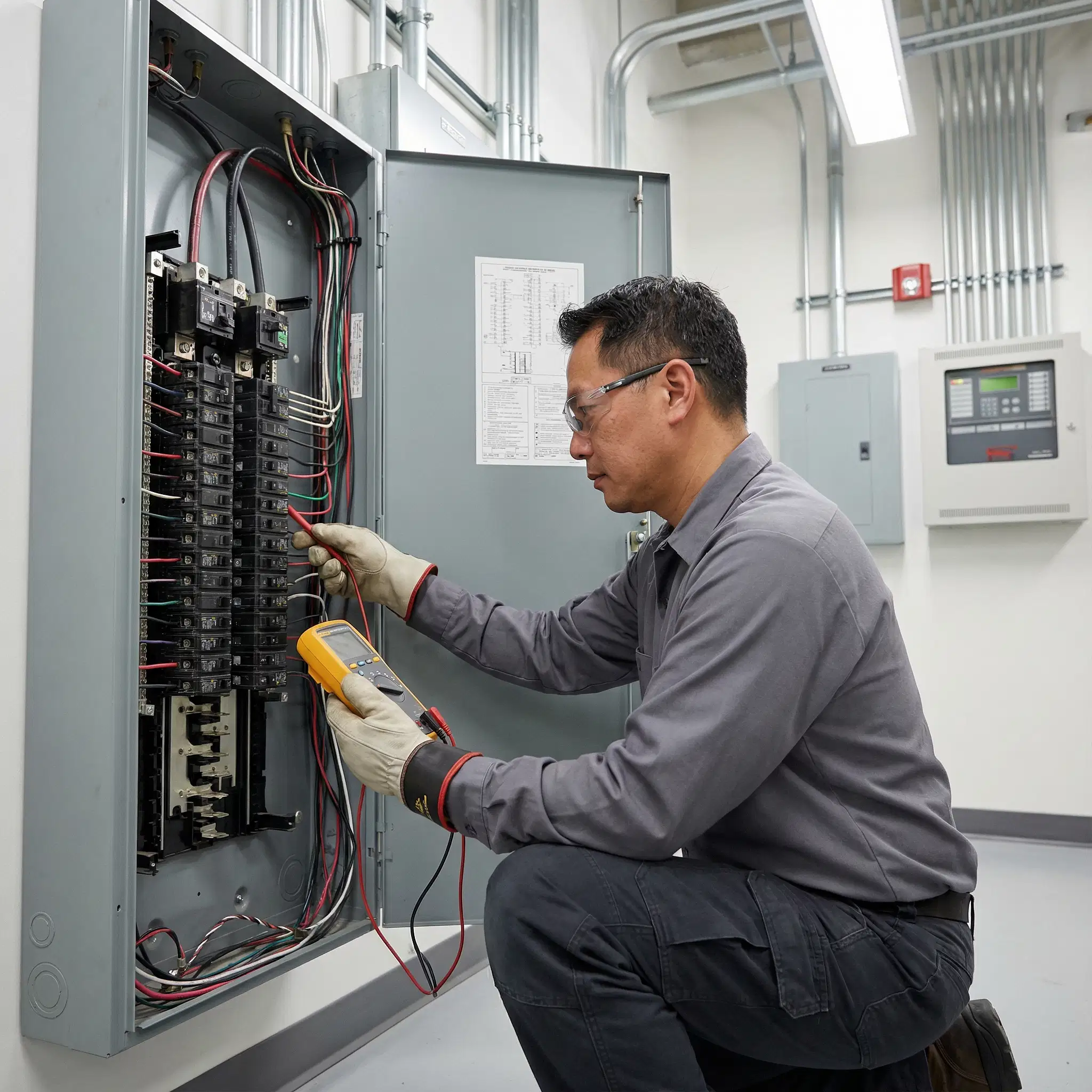
Industrial environments demand incredibly robust electrical systems. Unlike standard commercial retail spaces, warehouses often require high-voltage equipment, specialized high-bay lighting, and heavy-duty machinery that put a significant and continuous strain on your electrical panel. Over time, this constant demand can lead to wear and tear, increasing the risk of electrical fires, equipment damage, and costly operational delays.
A comprehensive approach to warehouse safety and protection involves regular inspections and proactive maintenance. This means verifying that your current electrical capacity can handle your operational load without tripping breakers or causing dangerous voltage drops. It also involves ensuring that all emergency lighting, fire alarm systems, and exit signs are fully functional and integrated properly.
In busy environments, physical damage to electrical components is also a major concern. Conduits and receptacles located near loading docks or high-traffic aisles are vulnerable to being struck by machinery. Regular safety walk-throughs can identify these physical hazards before they compromise your system. When your electrical foundation is solid and well-protected, you safeguard your inventory, your facility, and most importantly, your employees.
Navigating Forklift Charging Station Requirements
As more facilities transition to electric material handling equipment to reduce emissions and lower operating costs, the demand for reliable charging infrastructure has skyrocketed. However, setting up a charging area is a complex process that requires careful planning. There are strict industrial forklift charging station requirements that must be met to ensure both safety and efficiency.
Proper forklift charger installation and charger stands require dedicated circuits designed to handle a massive amperage draw, especially if you are utilizing fast-charging technology for multiple units simultaneously. Furthermore, forklift battery charging room ventilation standards dictate that these areas must be adequately ventilated to safely disperse hydrogen gas, which is naturally emitted during the charging process of traditional lead-acid batteries.
Failing to meet these ventilation and electrical standards not only poses a severe fire and explosion hazard but can also result in hefty fines or a shutdown during a safety inspection. Working with a licensed professional ensures that your charging stations are strategically placed away from high-traffic zones, properly wired to handle the load, and fully compliant with all safety regulations.
Minimizing Disruption During Electrical Upgrades
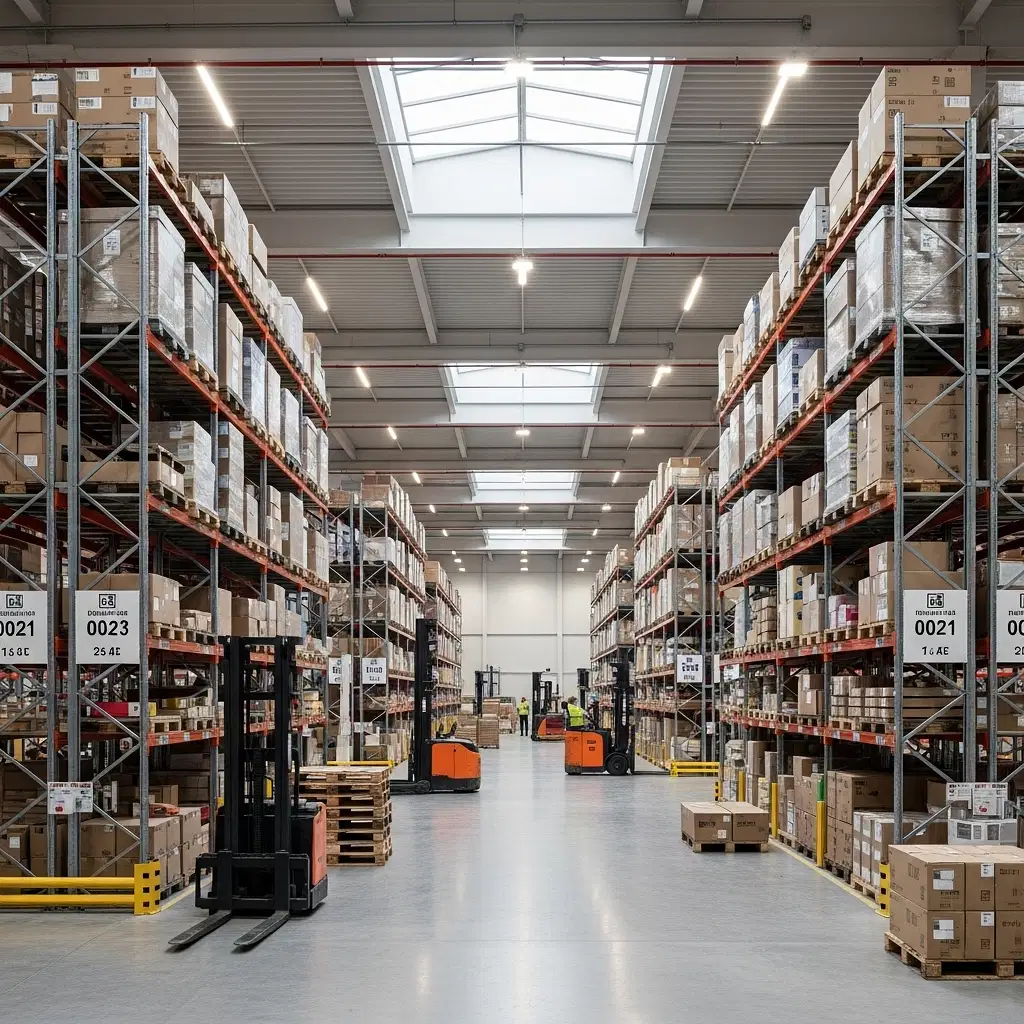
One of the biggest concerns for warehouse managers is the potential for downtime during electrical upgrades or routine maintenance. We understand that stopping production or halting logistics can severely impact your bottom line and disrupt your supply chain. That is why a strategic, phased approach is absolutely essential for any large-scale electrical project in an industrial setting.
When handling commercial electrical services, the process should always begin with thorough pre-inspection planning and detailed system mapping. By coordinating closely with your management team, a professional electrical contractor can establish clear notification protocols and schedule functional testing during off-peak hours or planned maintenance windows.
This structured approach ensures that critical ancillary systems—such as HVAC units, security cameras, and automated sorting lines—remain operational while necessary upgrades are completed. Whether you are integrating a new fire alarm system or upgrading your main service panel to accommodate new machinery, careful planning minimizes operational downtime and keeps your business moving forward.
Maintaining OESC Compliance and Safety Audits
The regulatory landscape in Ontario is strict, and for good reason. Adhering to the updated Ontario Electrical Safety Code (OESC) is mandatory for all industrial facilities to protect workers and property. Strict enforcement means that any new installations, including OESC compliant industrial electrical installations, must be performed by a Licensed Electrical Contractor and properly inspected by the Electrical Safety Authority (ESA).
To stay ahead of compliance issues and avoid unexpected disruptions, facility managers should implement a regular warehouse electrical safety audit checklist. This comprehensive checklist should cover:
- Visual inspections of all exposed conduits, wiring, and heavy-duty receptacles for signs of physical damage.
- Verification that all electrical panels have adequate clearance and are easily accessible in an emergency.
- Testing of all ground fault circuit interrupters (GFCIs) in wet or damp locations, such as near loading dock doors.
- Confirmation that all recent electrical work has the appropriate ESA permits and documentation on file.
- Thermal imaging of main switchgear and panels to identify hot spots before they lead to equipment failure.
Regular audits not only keep you compliant with provincial regulations but also help you identify potential hazards before they turn into expensive, dangerous emergencies.
Partner with Industrial Electrical Experts
Maintaining a safe, efficient, and fully compliant warehouse requires specialized knowledge and a highly proactive approach to electrical maintenance. Whether you are upgrading your facility to accommodate a brand-new fleet of electric forklifts, need to correct code violations, or require a comprehensive safety audit to ensure ongoing compliance, having a reliable electrical partner is crucial to your success.
At MB Electrical Group, we specialize in keeping industrial operations running smoothly and safely. Based in Courtice, we proudly serve commercial and industrial clients throughout the surrounding communities, providing expert installations, thorough inspections, and reliable, transparent maintenance services. If you are ready to upgrade your facility's electrical infrastructure or need assistance planning a complex installation with minimal downtime, contact us today to discuss how we can support your business's growth and protect your investment.