Warehouse Emergency Lighting Compliance and Testing: What Facility Managers Need to Know
Running a large-scale commercial facility along The 401 corridor means juggling a thousand moving parts daily. From managing incoming supply chains to ensuring staff productivity, facility managers have their hands full. However, beneath the daily operations lies a foundational responsibility that can never be compromised: life safety. Among the most critical elements of warehouse safety is a fully compliant and functional emergency lighting system.
When the hydro suddenly drops during a severe winter storm, or a localized grid issue plunges your facility into darkness, emergency lighting is the only thing guiding your workforce to safety. At MB Electrical Group, based right here in Courtice, we frequently work with commercial property owners who understand the gravity of these systems but struggle with the ongoing administrative overhead required to maintain compliance with provincial inspection bodies.
Frequent updates to the Canadian Electrical Code (CEC) can make it incredibly challenging to stay on top of exact testing protocols. We believe that maintaining a safe environment shouldn't require you to decipher complex regulatory jargon on your own. By understanding the core testing requirements and establishing a reliable inspection routine, you can protect your staff, avoid costly compliance penalties, and keep your warehouse running smoothly. Let's break down exactly what you need to know about emergency lighting maintenance and testing.
Navigating Emergency Lighting Battery Duration Testing Requirements
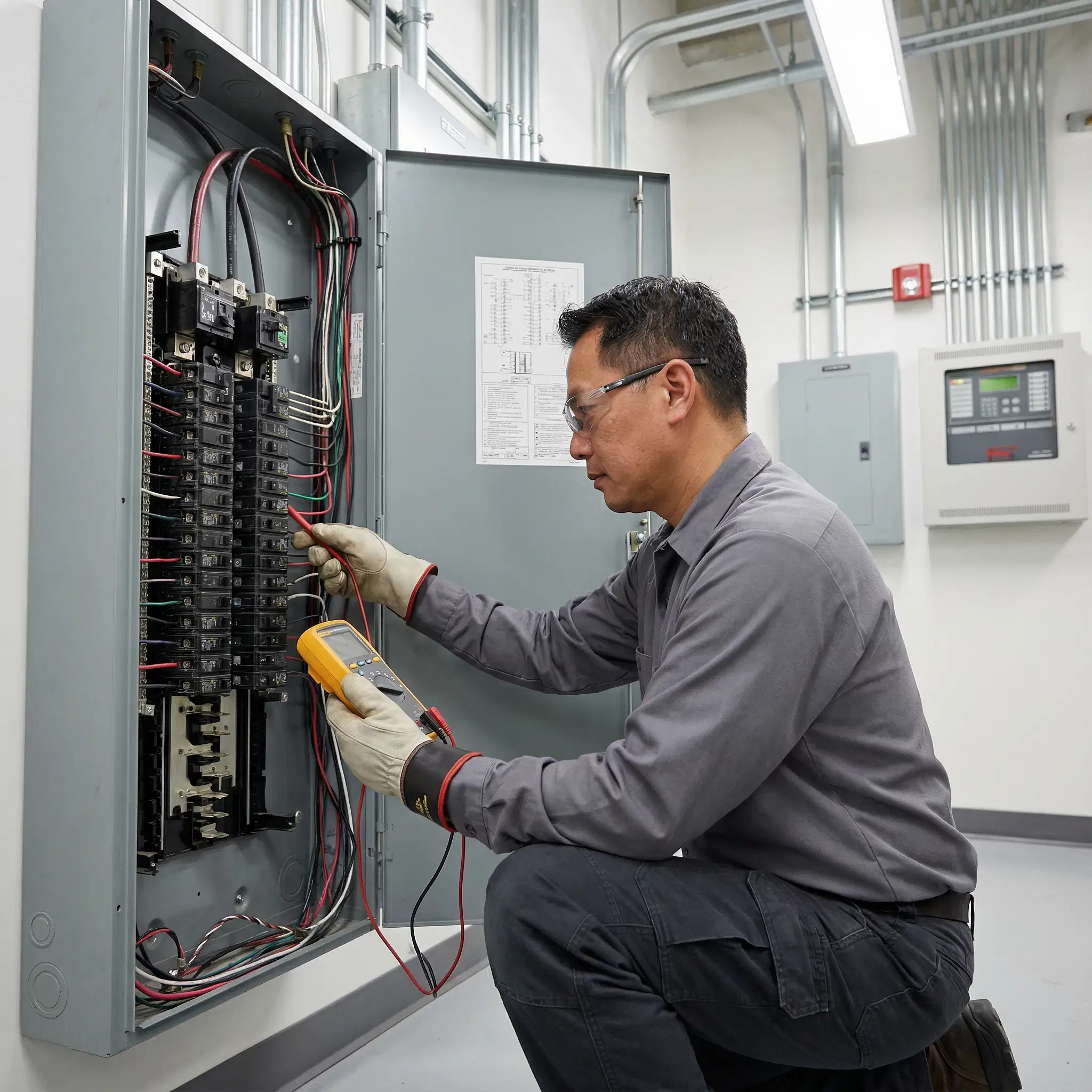
One of the most frequent questions we receive from property managers involves emergency lighting battery duration testing requirements. The Canadian Electrical Code is highly specific about how long your emergency lights and exit signs must remain illuminated during a power failure. For most commercial warehouse environments, emergency lighting must provide adequate illumination for a minimum of 30 to 90 minutes, depending on the specific occupancy classification and size of the building.
Meeting these duration requirements ensures that in the event of an emergency, employees have ample time to shut down heavy machinery, secure hazardous materials, and safely evacuate the premises. However, simply installing compliant fixtures is only the first step. Batteries degrade over time, especially in environments subject to temperature fluctuations. A battery that met the 90-minute standard three years ago may only last 15 minutes today.
This degradation is why proactive testing is mandatory. Unfortunately, this is also an area where some businesses attempt to cut corners. It can be tempting to hire low-cost, uncertified contractors to perform quick facility checks, but these individuals frequently undercut pricing by skipping mandatory duration tests and failing to meet Canadian safety codes. When you partner with a fully licensed, insured master electrician, you guarantee that your emergency lighting battery duration testing requirements are met meticulously, documented properly, and fully compliant with the latest CEC updates.
Building Your Commercial Egress Lighting Monthly Inspection Checklist
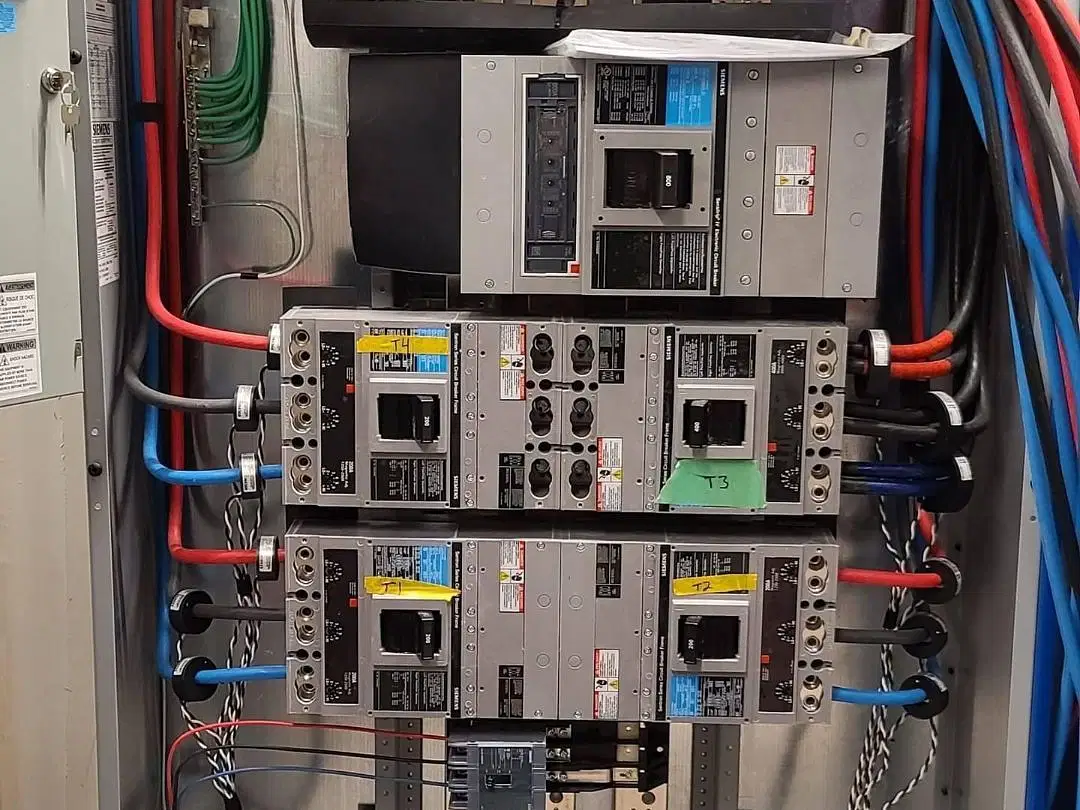
Compliance isn't just a yearly event; it requires consistent, ongoing attention. To ensure your facility remains safe month after month, implementing a strict commercial egress lighting monthly inspection checklist is essential. This monthly check is typically a functional test designed to confirm that the battery unit and the lamps are operational.
A thorough monthly checklist should include the following steps:
First, conduct a visual inspection of all emergency lighting units and exit signs. Look for obvious signs of physical damage, loose exposed wiring, or moisture accumulation. In a busy warehouse environment where forklifts and heavy equipment are constantly moving, fixtures can easily be bumped or damaged unnoticed.
Next, perform the push-button test. Every emergency lighting unit is equipped with a test button that simulates a hydro failure. Press and hold this button for a minimum of 30 seconds. During this time, the internal battery should engage, and all connected lamps should illuminate brightly. If the lights are dim, flicker, or fail to turn on entirely, the unit requires immediate servicing.
Finally, check the alignment of the lighting heads. The lights must be physically aimed at exit routes, stairwells, and safety equipment like fire extinguishers. Document every step of this process in a logbook. This documentation is vital; if a fire marshal or provincial inspector visits your facility, your up-to-date monthly inspection log is your primary proof of compliance.
Executing the Warehouse Emergency Lighting Annual Discharge Test
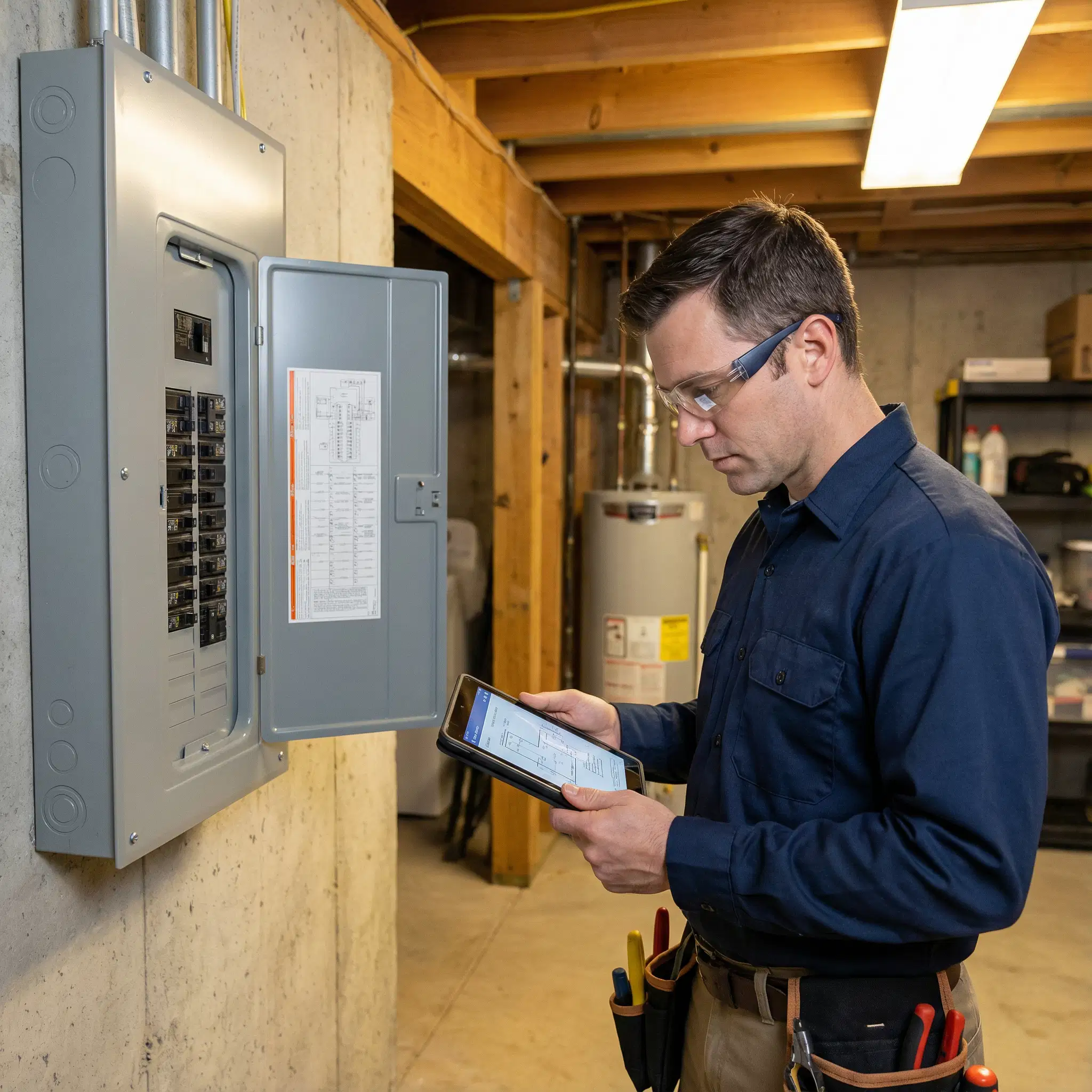
While monthly checks are brief functional tests, the warehouse emergency lighting annual discharge test is a much more comprehensive evaluation. Once a year, you are required to simulate a full-scale power outage to test the true capacity of your emergency lighting systems.
During this annual test, the units must be disconnected from their primary AC power source and forced to run entirely on battery power for their full required duration—typically 90 minutes for large commercial spaces. The electrician will monitor the voltage drop across the batteries and visually confirm that the illumination levels remain sufficient throughout the entire duration. Any unit that fails to last the required time must have its battery or the entire fixture replaced immediately.
We know that for busy facility managers, the thought of shutting down power or dedicating hours to testing can sound like a logistical nightmare. Operational downtime directly impacts your bottom line. That is why our commercial electrical services are designed around minimizing disruption.
We utilize a structured, phased approach for all major inspections. Our process begins with thorough pre-inspection planning and system mapping. We coordinate closely with your operations team to establish notification protocols and schedule testing blasts or zone isolations during off-peak hours. By integrating modern digital workflow automation, we efficiently test the control panels, verify ancillary system integrations, and provide you with comprehensive documentation and compliance reporting without bringing your warehouse to a standstill.
Future-Proofing and Upgrading Your Warehouse Safety Systems
As the industry evolves, so does the technology supporting facility safety. We are seeing a rapid integration of IoT-enabled smart panels and automated building management systems across Canadian commercial spaces. These modern systems can self-monitor emergency lighting battery health, automatically run monthly diagnostic checks, and alert facility managers to voltage drops before a complete failure occurs. Upgrading your legacy systems to these intelligent platforms not only enhances safety but significantly reduces the administrative burden of manual testing.
Whether you need to establish a reliable routine for your warehouse emergency lighting annual discharge test or you are looking to completely overhaul your facility's safety infrastructure, having a trusted local partner makes all the difference. At MB Electrical Group, we bring transparency, prompt service, and deep expertise to every project. We understand the unique demands placed on commercial facilities across The GTA, and we are committed to ensuring your building meets all regulatory standards while operating at peak efficiency.
Don't wait for an inspection failure or an unexpected blackout to find out your emergency lighting systems are compromised. Protect your staff, your inventory, and your business by investing in proactive safety measures. To learn more about our comprehensive maintenance programs or to schedule an inspection, explore our warehouse safety and protection services today. Let our team handle the complexities of the Canadian Electrical Code so you can focus on what you do best: running a successful business.