
Your Guide to a Safe and Seamless Home EV Charger Installation
Bringing home a new electric vehicle is an exciting milestone. The convenience of waking up to a fully charged car every morning is a game-changer. But to unlock that seamless experience, you need the right setup at home. A professionally installed EV charger is not just a convenience—it's a critical component for safety, efficiency, and protecting your investment. As Oshawa's trusted electrical experts, we at MB Electrical Group want to walk you through the essential steps to prepare your home, ensuring your transition to electric driving is smooth and worry-free.
Step 1: Assess Your Home's Electrical Capacity
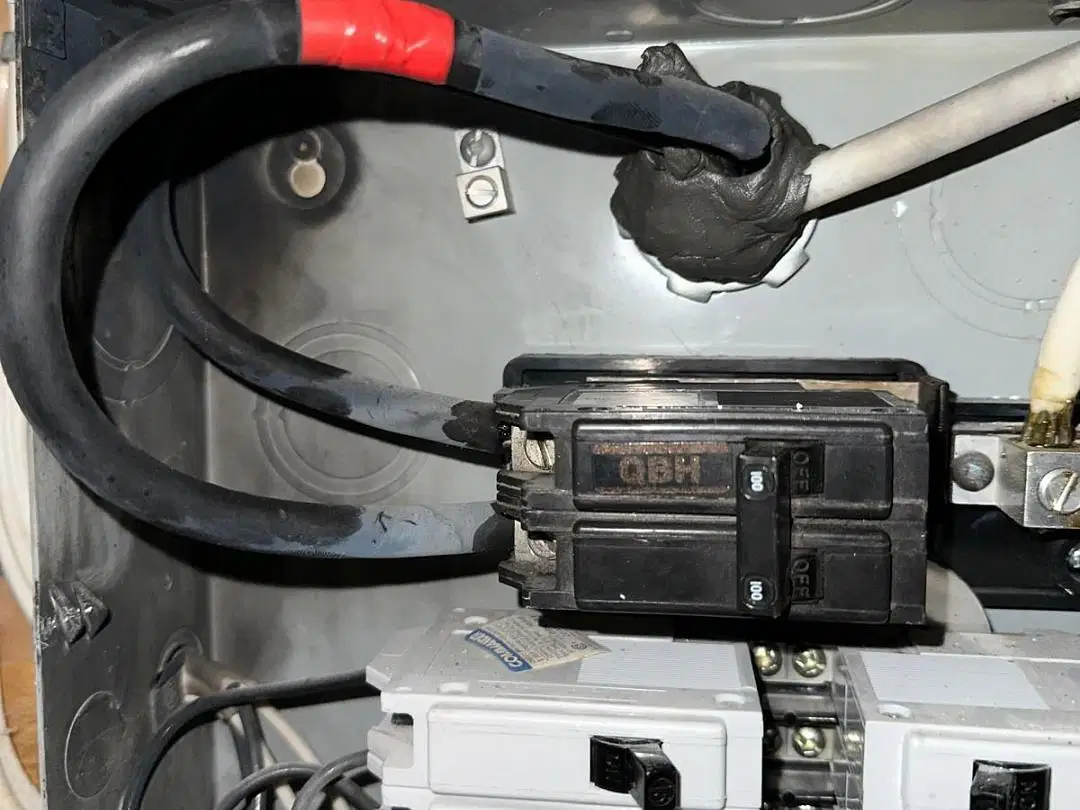
Before you can install a powerful Level 2 charger, you need to understand what your home's electrical system can handle. The heart of this system is your electrical panel, the grey metal box that houses all your circuit breakers. Most modern homes have 100-amp or 200-amp service, but older homes might have less.
An EV charger is a continuous, high-power load, similar to an electric stove or central air conditioner. A licensed electrician needs to perform a 'load calculation' to determine if your current panel has enough capacity to safely add the charger without overloading the system. This calculation considers your home's size, existing major appliances, and the charger you plan to install. This assessment is the most important first step to prevent issues like a frequently tripped breaker and ensure your home's electrical system remains safe and reliable.
Step 2: Choose the Right Charger for Your Needs
EV chargers come in different levels, and for home use, you'll primarily be looking at Level 1 and Level 2.
- Level 1 Charger: This is the basic cord that comes with your vehicle and plugs into a standard 120-volt wall outlet. While simple, it's also very slow, adding only about 6-8 kilometres of range per hour of charging. It's a decent backup but not a practical primary solution for most drivers.
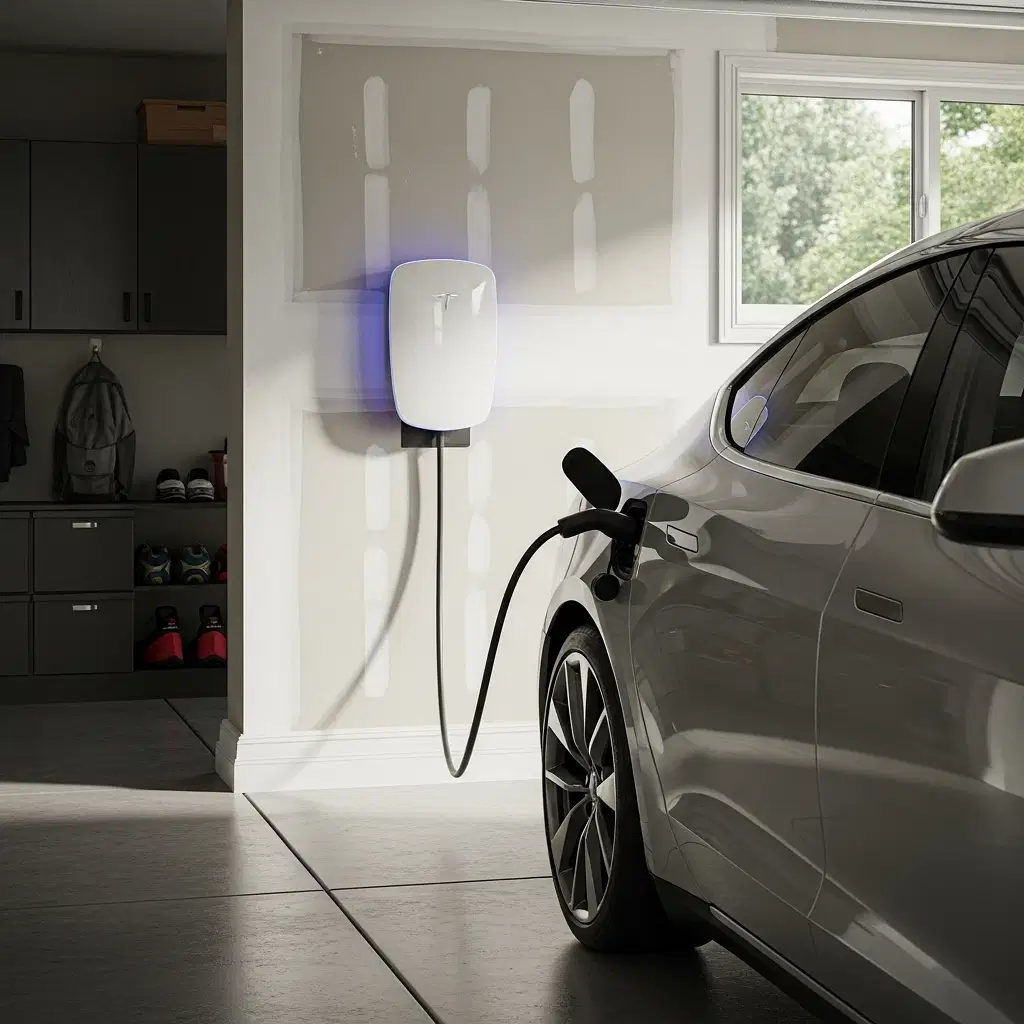
- Level 2 Charger: This is the most common and recommended option for home charging. It runs on 240 volts (like an electric dryer) and can add 40-60 kilometres of range per hour, easily charging your vehicle overnight. These chargers require a dedicated circuit installed by a qualified electrician.
Investing in a professionally installed, hardwired Level 2 charger is the best way to maximize the convenience of owning an EV. It provides faster, more reliable charging and is a valuable, future-proof addition to your home.
Step 3: The Professional Installation Process: Safety and Compliance
Installing an EV charger is not a DIY project. It involves high-voltage electricity and must adhere to the strict safety standards of the Ontario Electrical Safety Code. A professional installation ensures everything is done correctly and safely.
Here’s what you can expect from a professional EV charger installation:
- Consultation & Assessment: We'll discuss your driving habits, vehicle specifications, and desired charger location (usually the garage). We then perform the critical load calculation on your electrical panel.
- Permitting: We handle all necessary electrical permits with the Electrical Safety Authority (ESA). This is a non-negotiable step that protects you as a homeowner.
- Installation: Our licensed electricians will run a new, dedicated 240-volt circuit from your panel to the charger location. We install the charger, ensuring all connections are secure and the wiring is safe and tidy.
- ESA Inspection: Once the work is complete, an ESA inspector will review the installation to certify that it meets all code requirements. This final sign-off is your guarantee of a safe and compliant installation.
This rigorous process ensures your system is safe, reliable, and meets all insurance and warranty requirements.
Will You Need an Electrical Panel Upgrade?
This is one of the most common questions we hear, and the answer depends entirely on the initial assessment. You may need a panel upgrade if:
- Your panel has insufficient capacity: If the load calculation shows that adding a charger would exceed 80% of your panel's total capacity, an upgrade is necessary for safety.
- There are no physical breaker spaces: Sometimes a panel has enough power, but there are no open slots to add the new dedicated circuit for the charger.
- You have an older or outdated panel: Panels from manufacturers that are no longer in business or known for safety issues (like some older Federal Pacific or Zinsco panels) should be replaced. The same goes for homes with older knob and tube wiring.
While a panel upgrade represents an additional investment, it's a crucial one for safety. It also modernizes your home's electrical system, increasing its capacity for future needs and adding significant value to your property.
Charge Up with Confidence
Preparing your home for an EV charger is a straightforward process when handled by experienced professionals. By starting with a proper electrical assessment, choosing the right charger, and ensuring a code-compliant installation, you can enjoy all the benefits of your new electric vehicle with complete peace of mind.
If you're ready to install an EV charger or have questions about your home's electrical system, the team at MB Electrical Group is here to help. We provide safe, reliable, and professional electrical services across the Durham Region. Contact us today for a consultation and let's get you ready to hit the road.